Non-Invasive Continuous Blood Glucose Monitoring for Non-Diabetics in 2026: A Practical Guide to Energy and Longevity
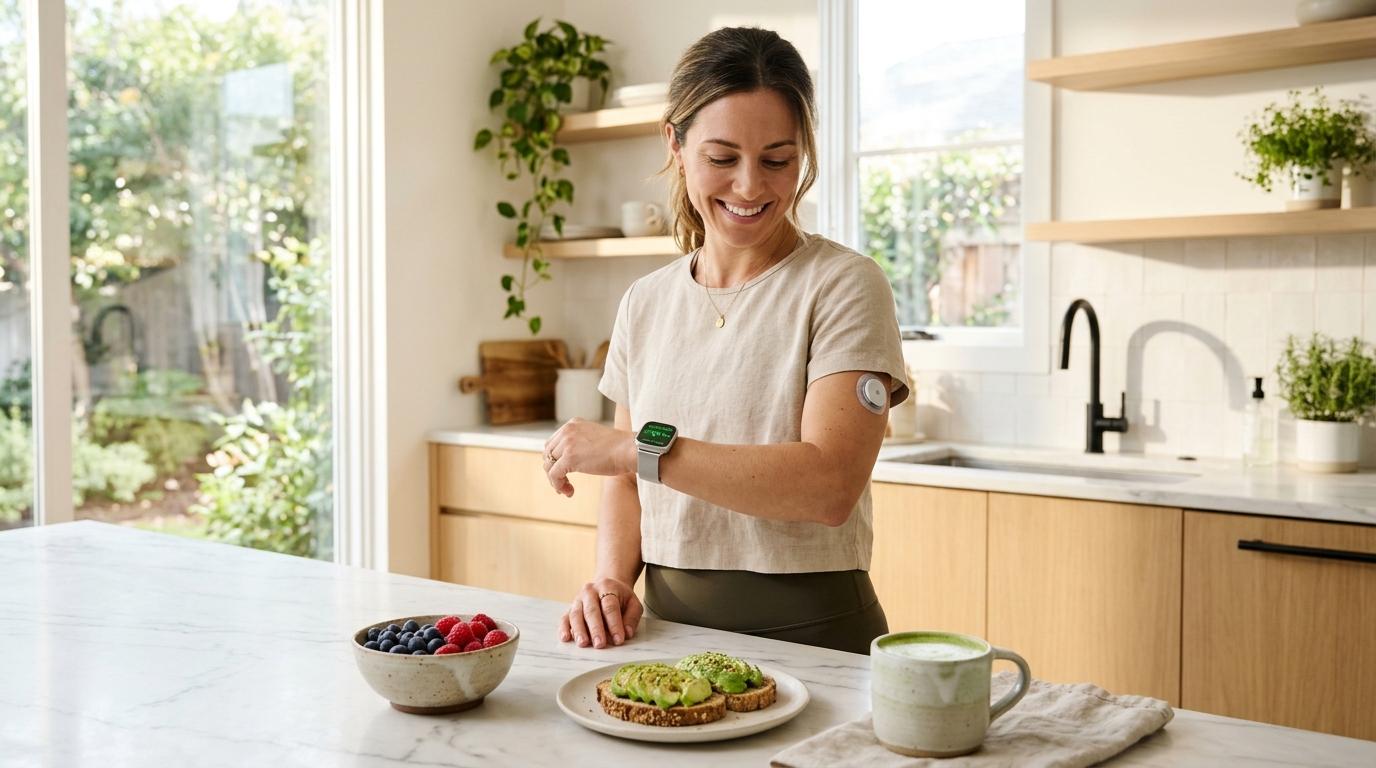
1. What Is Continuous Glucose Monitoring (CGM)?
For decades, blood sugar monitoring was associated strictly with managing type 1 or type 2 diabetes. Patients had to prick their fingers multiple times a day or wear invasive needle-based patches inserted under the skin.
In 2026, the technology has taken a monumental leap forward:
- Non-Invasive Optical Biosensors: Modern smartwatches and coin-sized skin patches use advanced optical sensors (infrared and Raman spectroscopy) to measure glucose molecules flowing through blood capillaries painlessly.
- Real-Time Biofeedback: Instead of seeing an isolated number once a day, your device displays a smooth, continuous wave on your wrist or phone, updating every few minutes.
Why does this matter for a healthy person? Because glucose volatility—the rapid rollercoaster of sugar spikes and sharp drops—is the primary hidden cause of daily fatigue, mood swings, uncontrollable cravings, and accelerated cellular aging.
2. The Science of the "Afternoon Slump"
Have you ever experienced a sudden, heavy wave of exhaustion around 2:30 or 3:00 PM, struggling to keep your eyes open at your desk?
Many people blame poor sleep or lack of willpower. In reality, it is a straightforward biological phenomenon called Reactive Hypoglycemia:
+-----------------------------------------------------------------------------------+
|               THE GLUCOSE ROLLERCOASTER vs STEADY ENERGY CURVE                    |
+-----------------------------------------------------------------------------------+
| Time of Day           | Unbalanced Meal (Refined Carbs) | Balanced Meal (Fibers & Protein)|
+-----------------------+---------------------------------+---------------------------------+
| 12:30 PM (Lunch)      | White pasta, soda, sandwich     | Salad, grilled chicken, olive oil|
| 01:15 PM (Spike)      | Glucose surges to 160+ mg/dL    | Gentle rise to 110 mg/dL        |
| 02:00 PM (Insulin)    | Massive insulin flood           | Smooth, gradual insulin release |
| 03:00 PM (The Crash)  | Sugar plunges to 65 mg/dL       | Stable plateau at 85-90 mg/dL   |
| Your Physical Feeling | Brain fog, irritability, sleep  | Clear focus, steady energy      |
+-----------------------------------------------------------------------------------+
When you eat refined carbohydrates or sugary drinks alone, glucose rapidly floods your bloodstream. Your pancreas panics and pumps out a massive wave of insulin to clear the sugar.
This excessive insulin surge works too well—it forcefully shoves glucose into fat and muscle cells, leaving your brain starved of immediate energy. The result is the dreaded afternoon brain fog and an intense craving for sugary snacks or caffeine.
3. Four Practical Habits for Rock-Solid Blood Sugar Stability
You do not need to follow an extreme or restrictive diet to maintain balanced blood sugar. Clinical metabolic studies highlight four simple, highly effective habits:
1. Eat Your Food in the Right Sequence
The order in which you eat your food makes a remarkable difference. Always try to eat in this sequence:
- First: Fibers and greens (salad, broccoli, asparagus).
- Second: Proteins and healthy fats (eggs, fish, chicken, tofu, avocado).
- Third: Starches and carbohydrates (rice, bread, potatoes, fruit).
Fibers coat the lining of your small intestine, slowing down the rate at which sugars pass into your bloodstream. Simply eating your salad before your bread reduces glucose spikes by up to 40%.
2. Put Clothes on Your Carbohydrates
Never eat carbohydrates "naked" (alone). When you eat an apple, a slice of toast, or a bowl of oatmeal by itself, sugar enters your blood rapidly.
Always pair carbs with protein or fat:
- Pair an apple with a handful of almonds or peanut butter.
- Pair toast with eggs or avocado.
- Add chia seeds and Greek yogurt to your oatmeal.
3. Take a 10-Minute "Post-Meal Stroll"
Your muscles are the largest glucose sink in your body. When your muscles contract during light movement, they absorb glucose directly from your bloodstream without needing extra insulin.
A gentle 10-minute walk around the block or around your office after lunch or dinner flattens your glucose curve dramatically.
4. Have a Savory Breakfast Instead of a Sweet One
Traditional breakfast foods (sugary cereals, fruit juices, pastries, sweet coffees) set your metabolic system on a volatile rollercoaster from the moment you wake up.
Switching to a savory breakfast rich in protein and healthy fats (scrambled eggs with spinach, avocado on sourdough, or unsweetened Greek yogurt) keeps your energy level flat and stable throughout the entire morning.
4. How Glucose Stability Improves Sleep and Longevity
The benefits of balanced blood sugar extend far beyond daytime focus. Continuous tracking reveals powerful overnight benefits:
1. Deeper, Unbroken Nighttime Sleep
If you eat a heavy carbohydrate-rich dinner late at night, your blood sugar crashes around 3:00 AM. In response to low blood sugar, your body releases stress hormones (cortisol and adrenaline) to wake up your liver, causing you to wake up sweating with a racing heart.
2. Reduced Cellular Aging (Glycation Prevention)
When blood sugar spikes repeatedly, excess sugar molecules bind to proteins in a process called glycation, creating harmful compounds called Advanced Glycation End-products (AGEs). These compounds stiffen arterial walls and damage skin collagen. Keeping glucose stable preserves youthful blood vessels and skin elasticity.
3. Elimination of False Hunger Cravings
Cravings are rarely caused by a true lack of calories; they are triggered by the rapid drop in blood sugar following a spike. By keeping your baseline steady, you naturally stay full for 4 to 5 hours between meals without thinking about food.
5. Standard Lab Test vs. Continuous Real-Time Tracking
| Metric | Annual Fasting Glucose Test | 2026 Continuous Glucose Tracking |
|---|---|---|
| Frequency | Once per year (Single morning snapshot) | 24/7 Continuous live feedback |
| Captures Spikes? | No (Fails to capture post-meal excursions) | Yes (Captures every meal and snack response) |
| Personalized Insights | Generic population range (70-99 mg/dL) | Identifies which specific foods trigger YOU |
| Invasiveness | Requires clinic visit and venipuncture needle | Non-invasive wrist sensor or painless patch |
| Actionable Guidance | Delayed paper report weeks later | Instant live alert on your phone/watch |
6. Frequently Asked Questions (FAQ)
Is continuous glucose monitoring safe for someone without diabetes?
Yes, absolutely. Non-invasive monitoring carries zero risk. For healthy adults, it functions like a fitness tracker for your internal metabolism, helping you optimize nutrition, focus, and energy.
Do certain "healthy" foods spike blood sugar?
Yes, everyone's microbiome and insulin sensitivity are unique. A bowl of brown rice or an oat milk latte might produce a mild rise in one person but trigger a massive spike in another. Continuous biofeedback helps you discover your personal food triggers.
What is an optimal target glucose range for healthy non-diabetics?
For optimal energy and longevity, most functional medicine physicians recommend:
- Fasting morning glucose: 72 to 88 mg/dL
- Post-meal glucose peak: Under 120 mg/dL (and returning to baseline within 2 hours).
Do I have to wear a sensor forever?
No. Most people only wear a sensor for 2 to 4 weeks. That is plenty of time to learn how your favorite meals, sleep habits, and exercise routines affect your body. Once you know what works for you, you can maintain those healthy habits for life.
7. Conclusion: Take Control of Your Daily Vitality
Constant fatigue, afternoon brain fog, and relentless sugar cravings are not natural parts of aging. In most cases, they are simply the visible distress signals of an erratic blood sugar rollercoaster.
With non-invasive glucose monitoring in 2026, the inner workings of your metabolism are no longer a mystery. By applying simple adjustments—eating your greens first, pairing carbs with protein, and taking a brief stroll after lunch—you can unlock steady, clean energy from morning until night.
Author Bio: Dr. Maya Lin, MD, is the Clinical Director of Lifestyle and Preventive Health Research at Nizover, writing on metabolic flexibility, circadian wellness, and wearable biosensor technology.
Level Up Your AI & Solo-Founder Strategy
Join 15,000+ founders and engineers getting our field-tested playbooks on autonomous agents, Micro-SaaS architecture, and lean financial frameworks every Thursday.

Clinical researcher and physician specializing in continuous metabolic biosensors, circadian medicine, neuroplasticity biohacking, and evidence-based longevity.
Related Articles
Cell-Free DNA (cfDNA) Liquid Biopsies and Circadian Methylation Rhythms in 2026: The Rise of Home Cancer Interception Protocols
Personal Longevity Superintelligence (PLSI) and Multi-Omic Aging Biomarkers in 2026: Real-Time Epigenetic Clock Reversal

Epigenetic Age De-Acceleration: The 2026 Clinical Protocol for Circadian Alignment & Mitochondrial Autophagy