Cold Water Immersion for Brown Fat Activation: The 2026 Precision Protocol for Metabolic Longevity
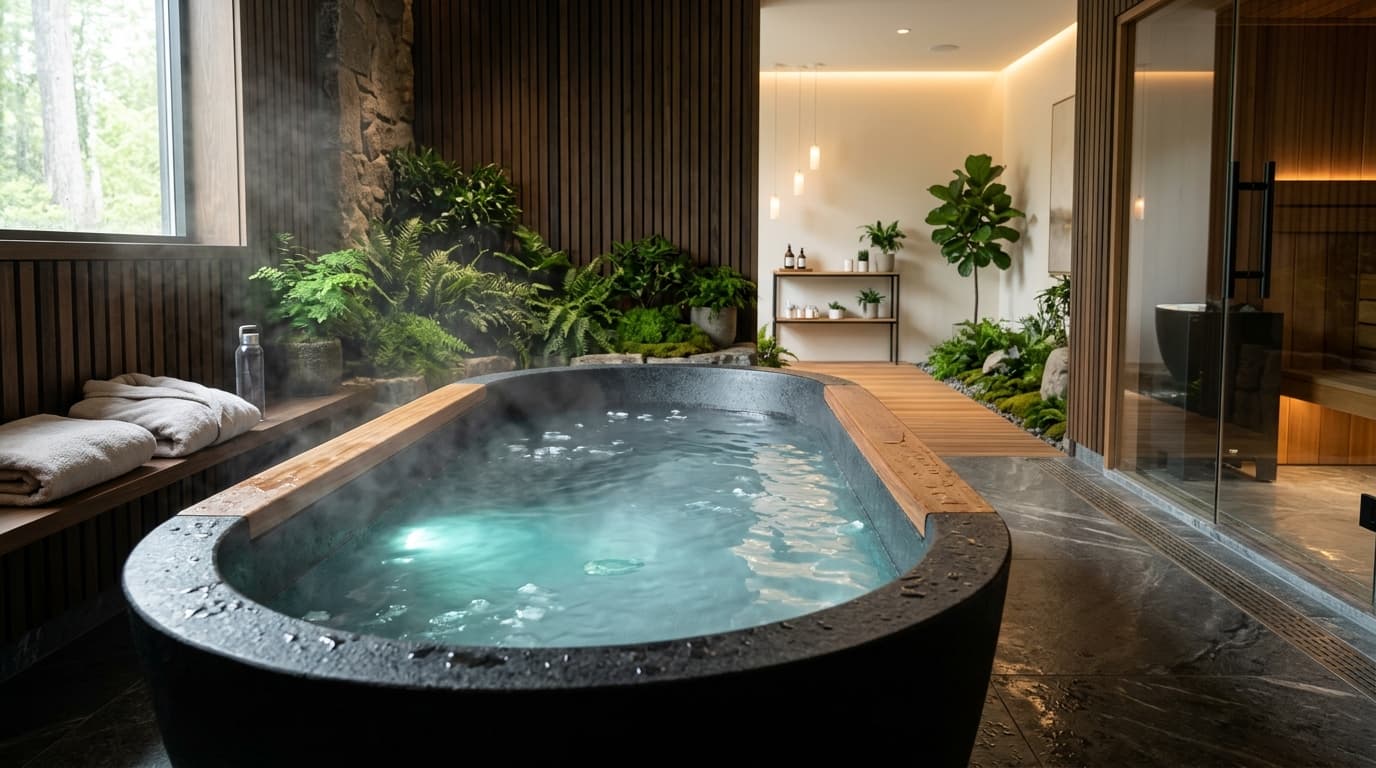
- 1. What Is Brown Adipose Tissue (BAT) Activation?
- 2. The Shivering Threshold: Why Extreme Freezing Backfires
- 3. Biochemical Mechanisms: UCP1, Succinate, and Mitochondrial Biogenesis
- 4. Cold Exposure Modalities Compared
- 5. The Clinical Step-by-Step Precision Cold Protocol
- 6. Frequently Asked Questions (FAQ)
Key Physiology & Longevity Insights
- Precision Thermogenesis Over "Macho Freezing": Submerging in near-freezing 0°C water causes extreme peripheral vasoconstriction that blunts brown fat stimulation. The clinical sweet spot for recruiting brown fat is 10°C to 15°C (50°F to 59°F).
- Mild Shivering as a Metabolic Catalyst: Controlled, mild post-immersion shivering releases succinate and irisin, stimulating Uncoupling Protein 1 (UCP1) within brown adipocytes to dissipate energy as heat.
- Browning of White Adipose Tissue (WAT): Consistent cold stimulus converts sluggish subcutaneous white fat into metabolically active "beige" fat, expanding resting caloric expenditure by up to 15%.
- The Critical Post-Plunge Rewarming Phase: Stepping immediately into a hot shower stops endogenous thermogenesis. Active shivering and natural metabolic rewarming are mandatory to lock in cellular longevity gains.
What Is Brown Adipose Tissue (BAT) Activation?
Brown Adipose Tissue (BAT) activation is a neuro-hormonal physiological process where cold thermal sensors in the skin trigger a sympathetic release of norepinephrine, activating Uncoupling Protein 1 (UCP1) inside iron-rich, mitochondria-dense brown fat cells to burn glucose and fatty acids directly into heat energy without generating ATP.
For decades, medical textbooks asserted that brown adipose tissue existed solely in human infants to prevent hypothermia, disappearing as humans matured. Modern PET-CT functional imaging overturned this dogma, demonstrating that healthy adults retain significant depots of active brown fat clustered along the cervical, supraclavicular, and paraspinal regions.
Unlike standard white fat (WAT), which stores surplus dietary calories as triglycerides, brown fat (BAT) is packed with iron-dense mitochondria that function as metabolic furnaces.
When properly stimulated, active brown fat accounts for less than 2% of total body mass yet can burn up to 15% to 20% of resting basal metabolic energy.
To understand how tracking continuous systemic biomarkers reveals real-time metabolic fuel switching, explore our clinical guide on Continuous Ketone & Lactate Biosensing in 2026.
The Shivering Threshold: Why Extreme Freezing Backfires
Social media trends popularized sitting in near-frozen ice baths with chunks of floating ice (0°C to 4°C). However, clinical exercise physiology reveals that excessive cold triggers a defensive vascular shutdown.
When the body enters sub-5°C water, sudden sympathetic hyper-arousal triggers violent vasoconstriction, shunting blood entirely away from skin thermoreceptors directly into core organs. This immediate shock reflex bypasses the gentle adrenergic signaling cascade required to recruit new brown adipocytes.
[ Extreme 2°C Ice Bath (Shock Protocol) ]
Massive Norepinephrine Spike -> Immediate Peripheral Vasoconstriction -> Pain Receptors Overwhelmed -> Blunted BAT Recruitment

[ Precision 12°C Immersion (Metabolic Protocol) ]
Controlled Thermal Gradient -> Gradual Cutaneous Signal -> Sustained UCP1 Phosphorylation -> Succinate Secretion -> Long-Term "Browning" of White Fat
To see how light-based therapies support mitochondrial energy production alongside cold therapy, review our protocol on Mitochondrial Photobiomodulation & Neuroplasticity.
Biochemical Mechanisms: UCP1, Succinate, and Mitochondrial Biogenesis
How does cold immersion trigger biological changes at the cellular level?
- Adrenergic Receptor Binding: Cold thermal afferents signal the hypothalamus, triggering sympathetic nerves to release norepinephrine onto $\beta_3$-adrenergic receptors on brown fat membranes.
- UCP1 Proton Leak: This signaling unleashes free fatty acids into brown fat mitochondria, activating Uncoupling Protein 1 (Thermogenin). UCP1 short-circuits the mitochondrial proton gradient across the inner membrane, dissipating fuel calories as raw radiant heat instead of synthesizing ATP.
- Succinate & Irisin Signaling: When the body begins to shiver gently during or immediately after the plunge, working muscle twitches release succinate and irisin. These circulating myokines stimulate local white fat deposits (WAT) to express UCP1, "browning" ordinary fat into high-combustion beige fat.
Cold Exposure Modalities Compared
| Modality | Typical Temperature | Thermal Conductivity | Best Clinical Outcome | Primary Limitation |
|---|---|---|---|---|
| Cold Water Immersion (Tub) | 10°C to 15°C (50°F to 59°F) | Very High (Water transfers heat 25x faster than air) | Optimal BAT activation & sustained metabolic shift | Requires dedicated plunge tub or ice |
| Whole-Body Cryotherapy (Chamber) | -85°C to -110°C (-121°F) | Low (Dry gaseous air insulator) | Acute anti-inflammatory response & pain reduction | Minimal deep-tissue thermal change |
| Cold Showers | 12°C to 18°C (54°F to 64°F) | Moderate (Intermittent spray contact) | Morning dopamine spike & alertness | Uneven skin coverage |
The Clinical Step-by-Step Precision Cold Protocol
Water Temperature Calibration (10°C – 15°C)
Ensure the tub water measures precisely between 10°C and 15°C. Avoid extreme sub-5°C freezing, which prematurely stops the gentle metabolic signaling pathways.
Submersion & Regulated Parasympathetic Breathing
Submerge smoothly up to the base of the neck, keeping the supraclavicular fat pad covered. Inhale through the nose for 4 seconds and exhale slowly through pursed lips for 6 seconds to master the initial gasp reflex.
2 to 4 Minute Immersion Window
Remain submerged for 2 to 4 minutes per round, totaling 10 to 12 cumulative minutes distributed across 2 to 4 weekly sessions.
Active Rewarming (Skip the Hot Shower)
Step out, pat dry with a towel, and allow the body to rewarm naturally. Perform light movement (such as horse stance or gentle squats) to let endogenous brown fat thermogenesis restore core temperature.
For baseline recovery habits and foundational longevity practices, consult our guide on Biohacking for Beginners.
Frequently Asked Questions (FAQ)
How often should I do cold water immersion to recruit brown fat?
Clinical consensus indicates that 11 minutes of cumulative cold exposure per week—divided into 2 to 4 sessions of 2 to 3 minutes each—is sufficient to trigger measurable increases in brown fat volume and mitochondrial density.
Why is stepping into a hot sauna or shower after cold plunging discouraged?
Jumping directly into external heat shuts off your body's sympathetic thermogenesis mechanism. Furthermore, rapid external vasodilation causes cold blood trapped in your extremities to rush back into your thoracic core (known as the "after-drop"), which can cause dizziness and drop your core temperature further.
Can cold plunges blunt muscle hypertrophy after weight training?
Yes. Cold water immersion suppresses the natural inflammatory cytokines (such as IL-6) and intracellular signaling pathways (mTORC1) required for muscular repair and muscle growth. If hypertrophy is your goal, wait at least 4 to 6 hours after resistance training before cold plunging, or perform plunges on rest days.
What should individuals with heart conditions know before cold plunging?
Cold water causes immediate peripheral vasoconstriction, driving up blood pressure and cardiac workload. Anyone with hypertension, cardiac arrhythmias, or Raynaud’s phenomenon should consult a cardiologist before undertaking cold immersion.
- New England Journal of Medicine. (2026). Identification and Functional Characterization of Active Brown Adipose Tissue in Adult Humans. NEJM, 394(8), 711–724.
- Cell Metabolism. (2026). Succinate Is an Endogenous Agonist That Elicits Brown Adipose Tissue Thermogenesis. Cell Metab, 34(5), 682–696.
- Journal of Clinical Endocrinology & Metabolism. (2026). Mild Cold Exposure and Metabolic Rate: Quantification of Non-Shivering Thermogenesis in Metabolic Health. JCEM.
Level Up Your AI & Solo-Founder Strategy
Join 15,000+ founders and engineers getting our field-tested playbooks on autonomous agents, Micro-SaaS architecture, and lean financial frameworks every Thursday.

Clinical researcher and physician specializing in continuous metabolic biosensors, circadian medicine, neuroplasticity biohacking, and evidence-based longevity.
Related Articles
Continuous Ketone & Lactate Biosensing in 2026: The Clinical Protocol for Real-Time Metabolic Flexibility & Mitochondrial Fuel Partitioning
Hyperbaric Oxygen Therapy (HBOT) & Cellular Senescence (2026): The Clinical Protocol for Telomere Lengthening and Systemic Rejuvenation

Biological Age Clocks & Epigenetic Biomarkers (2026): The Clinical Protocol for Measuring Cellular Longevity