Hyper-Personalization Strategies for E-commerce 2027
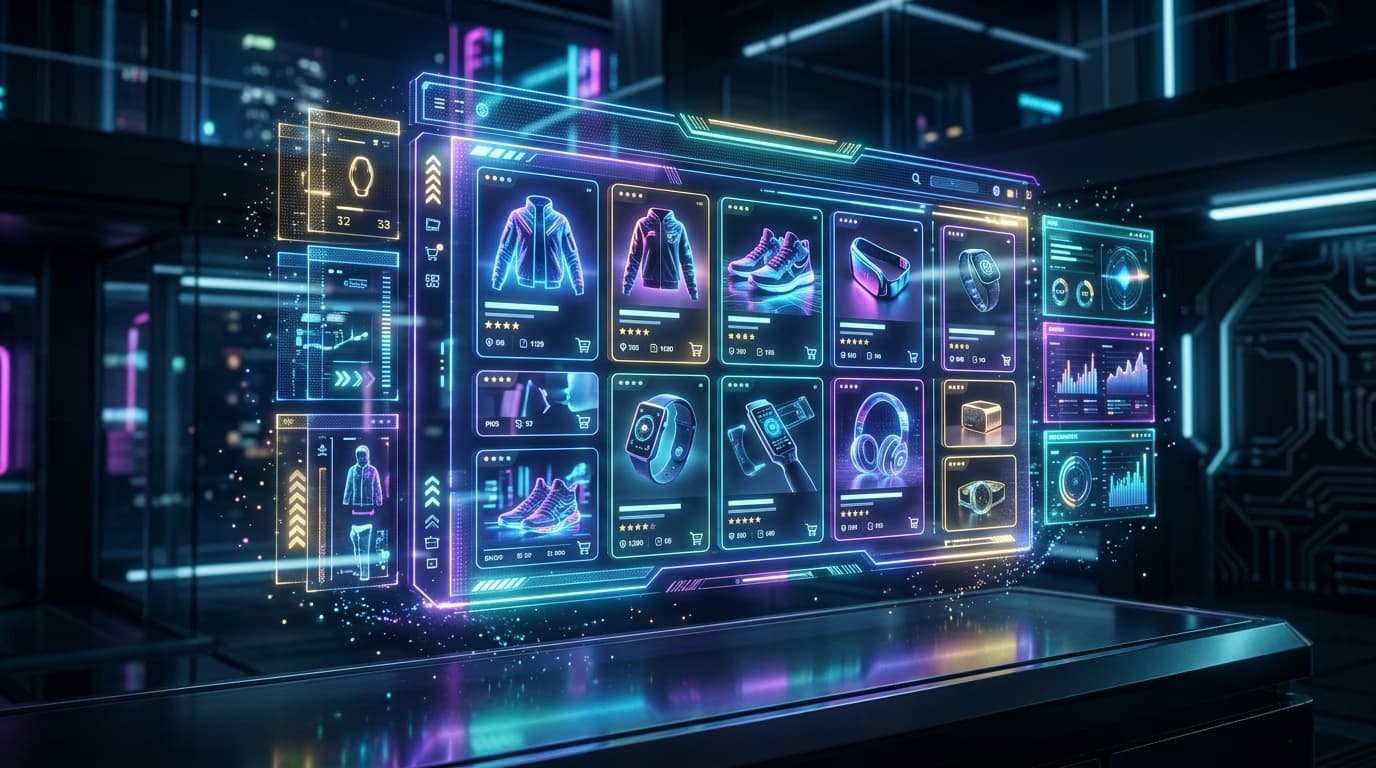
E-commerce has evolved dramatically by 2027. Basic product recommendations based on past purchases are entirely obsolete. Today, the most successful online retailers rely on hyper-personalization. This strategy uses advanced artificial intelligence to tailor every single aspect of the shopping experience to the individual consumer. Every pixel on the screen adapts in real-time to match the exact preferences of the user.
Real-Time Dynamic Storefronts
Modern e-commerce websites no longer have a static homepage. When a shopper visits a site, the artificial intelligence instantly analyzes their current context. It considers their local weather, time of day, current browsing speed, and historical preferences. The storefront dynamically rebuilds itself within milliseconds. The colors, layout, and featured products change completely to maximize the probability of an immediate purchase.
Predictive Customer Intent
Retailers are no longer reacting to what customers search for. They are predicting what customers want before the search even happens. Advanced machine learning algorithms analyze micro-behaviors like mouse hesitation and scrolling speed. If the AI detects a user hesitating over winter coats, it proactively alters the page layout to highlight limited-time discounts on those specific items.
Hyper-Targeted Pricing Strategies
Static pricing models have been completely replaced by dynamic algorithmic pricing. Retailers now offer personalized discounts based on a customer's specific loyalty score and purchasing history. A high-value returning customer might see a permanent five percent discount applied across the entire store. Meanwhile, a hesitant new shopper might receive a targeted flash-sale pop-up specifically for the item in their abandoned cart.
Zero-Party Data Collection
Privacy regulations strictly limit third-party data tracking in 2027. Consequently, retailers heavily rely on zero-party data. This is information that customers intentionally and proactively share with a brand. E-commerce sites use engaging interactive quizzes and virtual styling assistants to gather this data. Customers gladly trade their personal preferences in exchange for a highly curated and personalized shopping experience.
Frequently Asked Questions
What exactly is hyper-personalization in e-commerce?
It is the use of real-time artificial intelligence to customize the entire online shopping experience. Every product recommendation, price, and layout is tailored specifically for the individual user.
Is dynamic pricing actually fair to all customers?
Yes, modern dynamic pricing focuses on rewarding customer loyalty. It offers personalized discounts to returning shoppers rather than randomly inflating prices for new users.
How do retailers collect data without violating privacy?
They use zero-party data strategies. They offer highly interactive quizzes and virtual assistants where customers willingly share their preferences in exchange for better product recommendations.
Does hyper-personalization actually increase sales?
Absolutely. E-commerce stores that implement dynamic AI storefronts report massive increases in conversion rates. Shoppers buy more when they instantly see exactly what they want.
Do small businesses have access to this technology?
Yes. In 2027, many affordable software-as-a-service platforms provide plug-and-play AI personalization tools. Small retailers can easily integrate these powerful algorithms into their existing websites.
What is the future of online shopping?
The future is entirely anticipatory. Artificial intelligence will become so accurate that it will automatically ship consumable products to your house exactly when you run out.