Micro-SaaS Ideas for Solopreneurs in 2027
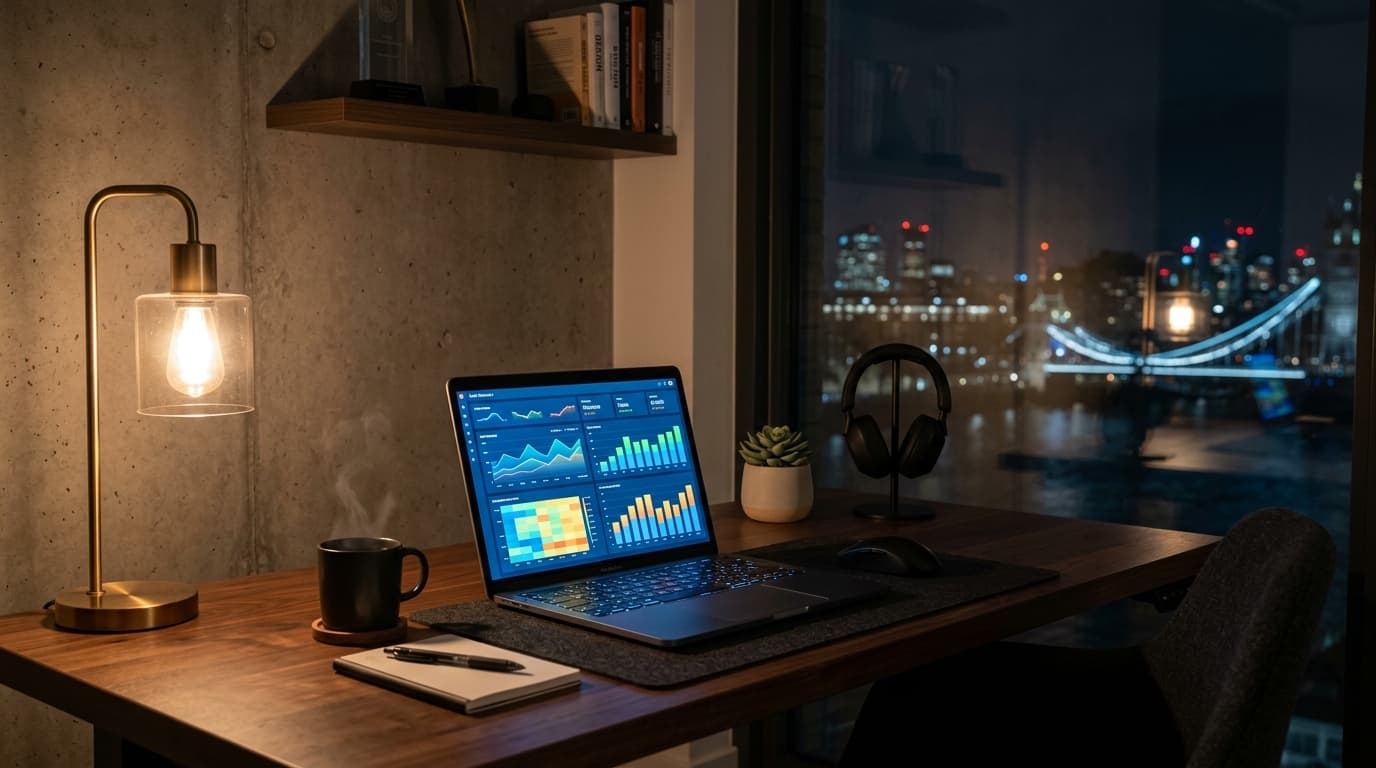
The software landscape has drastically shifted in 2027. Massive venture-backed startups are no longer the only way to build a tech business. The era of the solopreneur has arrived through the explosion of Micro-SaaS. These are small, hyper-focused software products built and maintained by a single developer. They solve very specific problems for niche audiences and generate incredible profit margins without massive overhead.
The Power of Niche Audiences
Solopreneurs are actively ignoring massive global markets. Instead, they focus entirely on ultra-specific niches. A developer might build a project management tool designed exclusively for independent florists. Because the product is so incredibly tailored, it easily wins against giant generic competitors. These niche products require almost zero marketing budget because word-of-mouth within these small communities is exceptionally strong.
No-Code and AI Development
Building a SaaS business used to require a team of senior engineers. In 2027, solo founders use advanced AI coding assistants and no-code platforms. These tools allow a single person to build, test, and deploy a complex application in mere weeks. AI handles the database architecture while the founder focuses entirely on user experience and customer feedback. This drastically reduces the barrier to entry for aspiring entrepreneurs.
Subscription Fatigue Solutions
Consumers and businesses are currently experiencing massive subscription fatigue. Micro-SaaS founders are capitalizing on this by offering unique pricing models. Many are moving away from monthly subscriptions and offering one-time lifetime licenses or usage-based pricing. This transparent pricing strategy immediately builds trust with users who are tired of hidden recurring fees from large corporate software companies.
Automated Customer Support
The biggest challenge for a solo founder is managing customer support. Modern Micro-SaaS products solve this by integrating highly advanced AI chatbots. These bots handle ninety-five percent of user inquiries, password resets, and onboarding tutorials. The solopreneur only steps in for critical technical issues. This automation allows the founder to scale the business to thousands of users without hiring a support team.
Frequently Asked Questions
What exactly is a Micro-SaaS?
It is a small software-as-a-service business usually run by one person or a tiny team. It focuses on solving a very specific problem for a small, dedicated niche audience.
Do I need to know how to code to build one?
Not necessarily. In 2027, many successful Micro-SaaS founders use advanced no-code tools and AI assistants to build their entire software infrastructure without writing traditional code.
How do solo founders market these small products?
They rely heavily on community-led growth. They participate in niche forums, Reddit communities, and specialized Discord servers to build organic relationships with their target audience.
Are monthly subscriptions still the best pricing model?
Many solo founders are now finding success with usage-based billing or one-time lifetime deals. Consumers are tired of endless monthly subscriptions and appreciate flexible pricing.
Can a Micro-SaaS actually replace a full-time salary?
Absolutely. Because the overhead costs are so incredibly low, a Micro-SaaS with just a few hundred dedicated paying users can easily generate a lucrative full-time income.
What is the biggest risk for a solopreneur?
The biggest risk is burnout from trying to handle development, marketing, and support simultaneously. Successful founders rely heavily on automation tools to manage their daily workload.