Web3 and Decentralized Finance: Trends for 2026
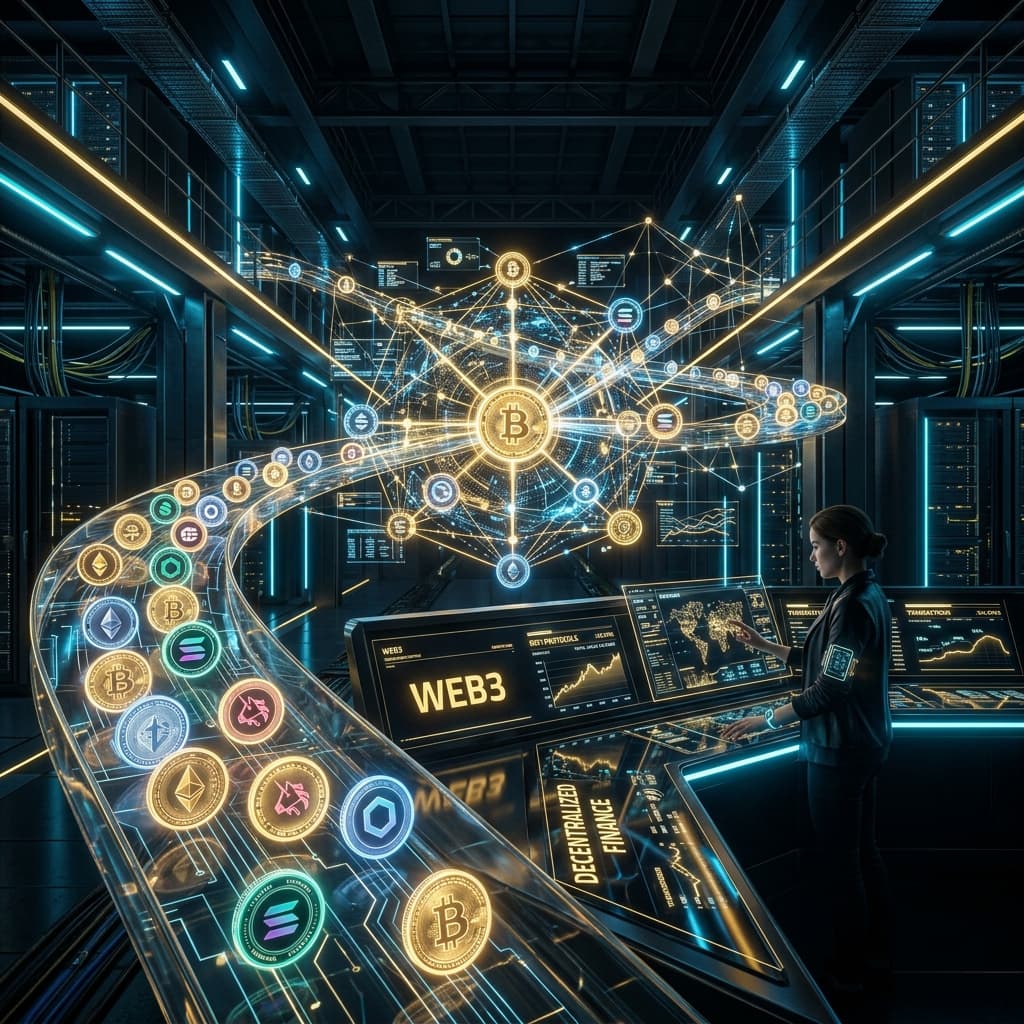
The evolution of the internet has reached a critical milestone in 2026. Web3 and Decentralized Finance (DeFi) are no longer experimental concepts; they are the bedrock of a new, transparent global economy. As traditional financial systems grapple with inflation and centralization, the decentralized web offers a robust alternative.
The Institutional Adoption of DeFi
Perhaps the most significant trend of 2026 is the massive influx of institutional capital into DeFi protocols. Major banks and asset managers have integrated blockchain technology to offer decentralized lending and yield farming products to their institutional clients. This has brought unprecedented liquidity and stability to the crypto markets.
Cross-Chain Interoperability
In previous years, blockchains operated in silos. Today, cross-chain interoperability protocols have matured, allowing seamless asset transfers between different networks. This unified Web3 ecosystem enables users to interact with multiple decentralized applications (dApps) without worrying about underlying network constraints.
Tokenization of Real-World Assets (RWAs)
The tokenization of real-world assets—from real estate to fine art—has exploded. By representing physical assets as digital tokens on the blockchain, DeFi has unlocked trillion-dollar markets, allowing fractional ownership and instantaneous global trading. This bridges the gap between the physical economy and the digital frontier.