Solid-State Batteries: The Next Evolution of EVs in 2027
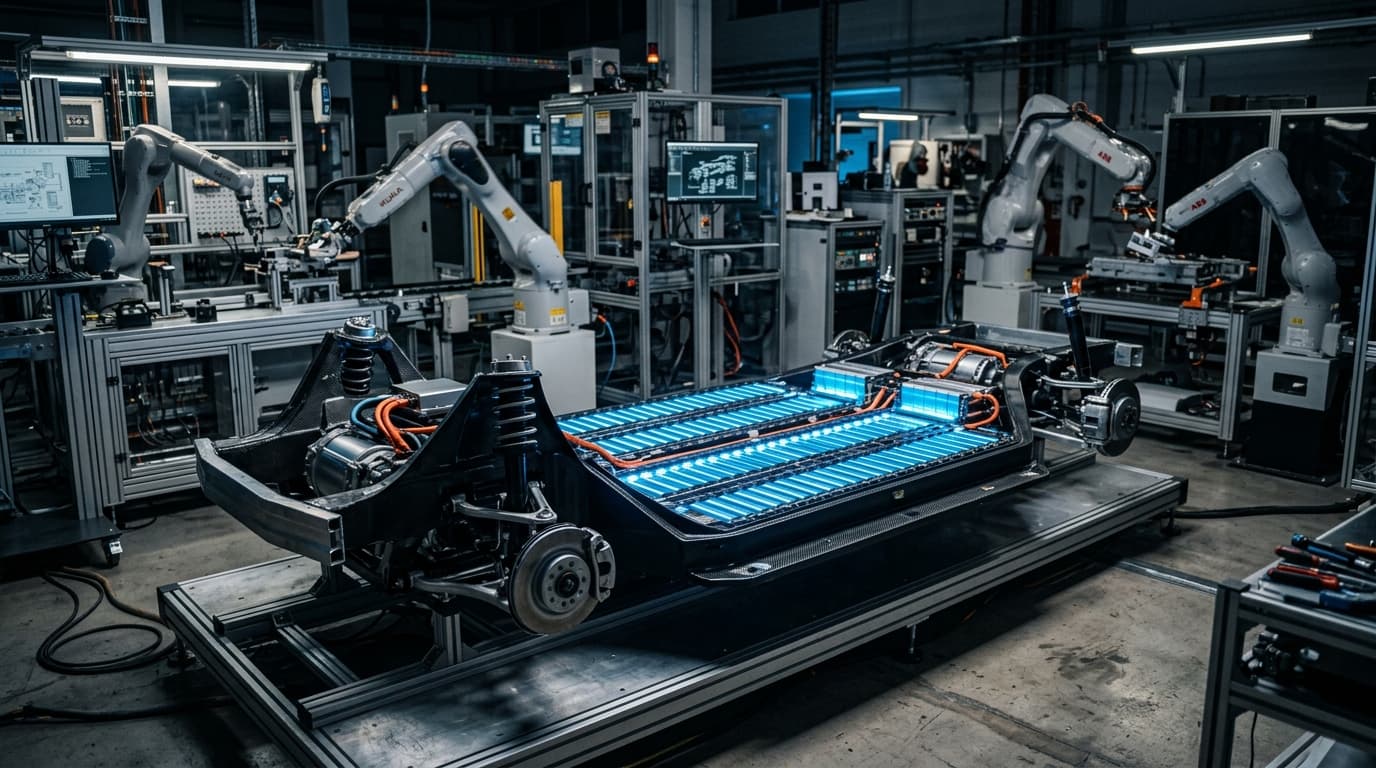
For over a decade, the widespread adoption of Electric Vehicles (EVs) was hindered by two major factors: limited driving range and slow charging times. Both of these issues were inherent flaws of traditional lithium-ion technology. However, in 2027, the automotive industry has successfully transitioned to the mass production of solid-state batteries. This monumental leap in chemical engineering has permanently altered the transportation landscape, making gasoline-powered cars entirely obsolete.
The Science of Solid-State
Traditional lithium-ion batteries use a liquid electrolyte to move ions between the anode and cathode. This liquid is heavy, flammable, and prone to degradation over time. Solid-state batteries replace this liquid with a solid ceramic or glass compound. This seemingly simple change dramatically increases the energy density of the battery. A solid-state battery of the exact same physical size as a lithium-ion battery can hold three times as much energy while weighing significantly less.
Eliminating Range Anxiety
The increased energy density means that a standard mid-size electric sedan in 2027 can effortlessly travel over 800 miles (1,280 kilometers) on a single charge. This fundamentally eliminates "range anxiety." Drivers can travel from New York to Chicago, or Paris to Berlin, without ever needing to stop for a recharge. This capability has made EVs the undisputed choice for long-haul trucking and cross-country road trips.
The Ten-Minute Ultra-Charge
Beyond distance, solid-state technology has revolutionized charging speeds. Because the solid electrolyte is highly resistant to heat and completely non-flammable, these batteries can accept a massive influx of electricity without the risk of thermal runaway. Using the new generation of megawatt charging stations, a completely depleted solid-state EV can charge from zero to eighty percent in under ten minutes—roughly the same time it takes to fill a gas tank and buy a coffee.
A Greener Manufacturing Process
Solid-state batteries are also much better for the environment. They do not require the toxic liquid solvents used in older batteries, making the manufacturing process significantly cleaner. Furthermore, they utilize fewer rare-earth metals like cobalt, relying instead on abundant materials like sulfur and sodium. This has stabilized the global supply chain and drastically reduced the environmental impact of battery mining.
Frequently Asked Questions
What is the main difference between solid-state and lithium-ion batteries?
The primary difference is the electrolyte. Lithium-ion uses a highly flammable liquid electrolyte, while solid-state batteries use a stable, solid material like ceramic or glass to transport ions.
How far can a solid-state EV drive on one charge?
By 2027, the industry standard for a mid-tier solid-state electric vehicle is a driving range of approximately 800 miles (1,280 kilometers).
How long does it take to charge a solid-state battery?
Using high-capacity megawatt chargers, a solid-state battery can safely charge to 80% capacity in approximately ten minutes without causing heat damage to the battery cells.
Are solid-state batteries safer?
Yes, significantly safer. The absence of a liquid electrolyte means there is zero risk of the battery catching fire or exploding in the event of a severe car crash or overcharging.
Will my old lithium-ion EV become obsolete?
Not immediately. However, their resale value has dropped significantly as consumers heavily favor the vastly superior range and charging speeds of solid-state vehicles.
Are solid-state batteries more expensive to produce?
Initially, yes. However, advanced manufacturing techniques scaled up in 2027 have brought the cost per kilowatt-hour below that of traditional lithium-ion, making new EVs cheaper than gas cars.