Urban Gardening for Beginners: How to Grow Organic Superfoods in Small Spaces
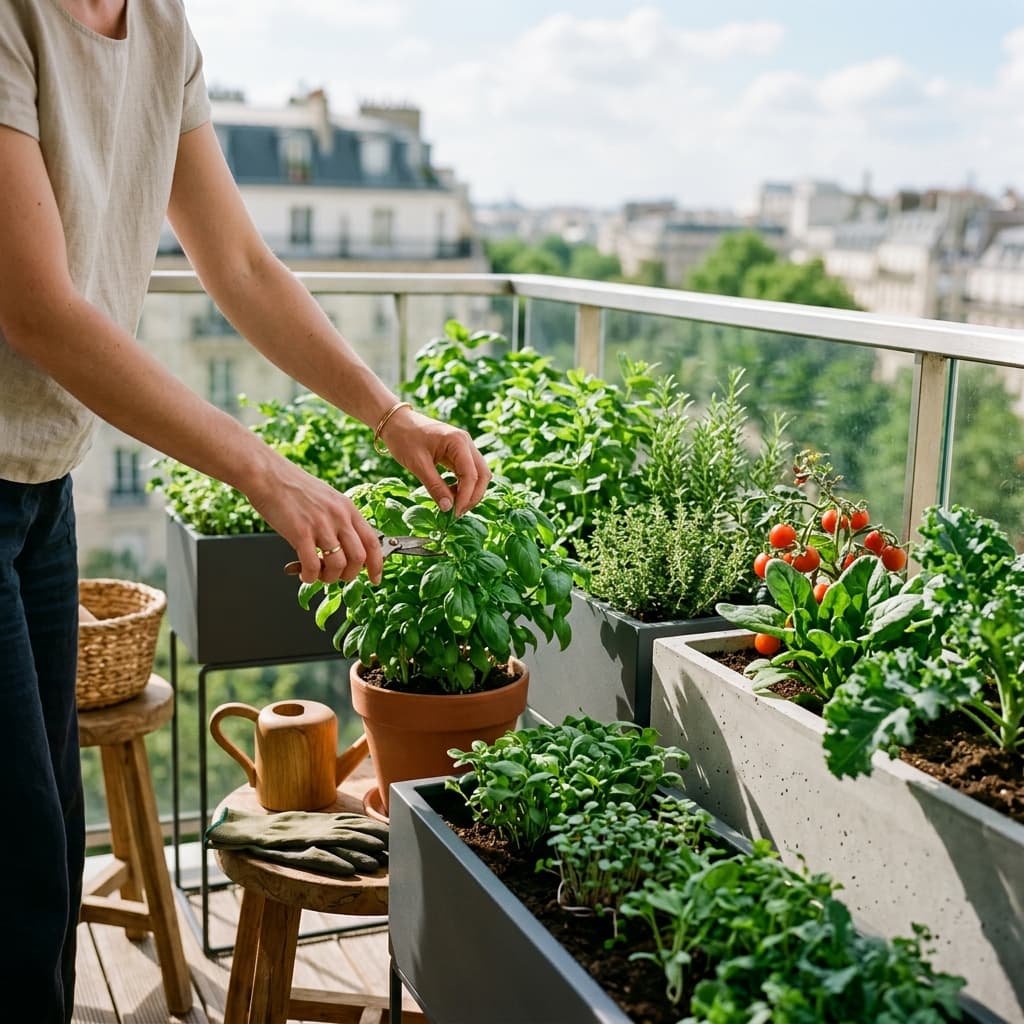
The modern urban grocery supply chain frequently delivers produce that has spent days in refrigerated transit, shedding vital micronutrients and phytochemicals before it ever reaches your plate. In 2026, urban residents are countering this nutritional deficit through hyper-local urban agriculture. You do not require a suburban plot or an expansive backyard; with smart vertical layouts and high-potency seed varieties, a sunny balcony or compact kitchen counter can yield an abundant harvest of organic superfoods.
Direct Answer for Apartment Gardeners:
The most efficient superfoods for small-space urban gardening are broccoli microgreens, pea shoots, baby kale, cherry tomatoes, and medicinal culinary herbs (rosemary, basil, and mint). These varieties provide up to 40 times higher antioxidant and nutrient concentrations by weight compared to mature supermarket equivalents and can be harvested in cycles as short as 7 to 14 days without heavy agricultural equipment.
The Nutrient Density Advantage of Micro-Farming
Commercial agriculture prioritizes shelf life, aesthetic uniformity, and transport durability over nutritional value. In contrast, homegrown micro-greens and fresh herbs harvested seconds before consumption preserve fragile enzymes, vitamin C, and sulforaphane complexes that degrade within 48 hours of picking.
High-Yield Urban Superfoods: Space, Sunlight, and Harvest Profiles
| Superfood Crop | Required Sunlight | Harvest Cycle | Best Growing System | Key Nutritional Compounds |
|---|---|---|---|---|
| Broccoli Microgreens | Low to Moderate (4h indirect) | 8–10 Days | Shallow seed tray with coco coir | Sulforaphane, Vitamin K, Glucoraphanin |
| Pea Shoots | Low to Moderate (4h indirect) | 10–14 Days | Soil-less seed pad or hydroponic tray | Plant protein, Folate, Carotenoids |
| Dwarf Tuscan Kale | Moderate to High (6h direct) | 35–45 Days (cut-and-come) | 3-gallon vertical container | Lutein, Iron, Vitamins A and C |
| Micro Dwarf Tomatoes | High (6–8h direct or LED) | 60–75 Days | Self-watering planter pot | Lycopene, Potassium, Polyphenols |
| Culinary Herbs (Basil/Mint) | Moderate (4–6h sunlight) | Ongoing perpetual harvest | Hydroponic countertop garden | Rosmarinic acid, essential antimicrobial oils |
Choosing Your Urban Setup: Soil vs. Hydroponics vs. Aeroponics
Small-space gardening requires matching your apartment layout with the ideal cultivation system:
[Balcony with Sunlight] ➔ [Vertical Tiered Planters & Coco-Coir Soil]
[Windowless Apartment]  ➔ [LED-Equipped Countertop Hydroponic Basin]
[Compact Balcony Wall]  ➔ [Vertical Gravity-Fed Drip Tower]
1. Organic Coco Coir & Compost Blends
Traditional garden soil is heavy, prone to compacting in containers, and can introduce pests indoors. Using an aerated blend of 60% buffered coconut coir, 20% organic worm castings, and 20% perlite provides optimal root aeration and steady micronutrient delivery while keeping planter weight safe for balcony load limits.
2. Smart Hydroponic Countertop Units
For city dwellers lacking direct southern sun, smart hydroponic units equipped with full-spectrum 6500K LED grow lights automate watering schedules and photoperiod cycles. Operating without soil, these closed-loop systems consume up to 90% less water than traditional gardening while eliminating soil-borne gnats and mold.
5-Step Blueprint: From Seed to Harvest in 10 Days
- Substrate Preparation: Fill a shallow, perforated 10x20 tray with 1.5 inches of moistened coco coir or place a food-grade organic hemp grow mat at the bottom.
- Dense Seeding: Disperse organic broccoli or radish seeds evenly across the surface (approximately 1 ounce per standard tray). Do not bury the seeds; press them gently into the moist substrate.
- The Blackout Phase: Cover the tray with an inverted tray or a breathable cloth for 3 to 4 days. This simulates underground conditions, encouraging the seedlings to develop strong root systems and elongated stems.
- Light Exposure & Bottom Watering: Uncover the seedlings once they reach 1 inch in height. Place them beneath an LED grow light or in direct balcony sunlight. Water exclusively from the bottom basin to keep foliage dry and prevent fungal damping-off.
- Harvesting: When the first set of true leaves begins to emerge (Day 8 to 12), use clean kitchen shears to cut the shoots just above the substrate line. Rinse and enjoy immediately in salads, smoothies, or grain bowls.
Frequently Asked Questions (FAQ)
Can I grow edible superfoods without a balcony or natural sunlight?
Yes. Modern full-spectrum LED grow lights consume under 30 watts of power and provide the precise blue and red wavelengths necessary for photosynthesis, enabling year-round indoor harvesting in closets or dark rooms.
What are the easiest superfoods for complete beginners?
Sunflower shoots and radish microgreens are virtually foolproof. They germinate rapidly within 48 hours, resist mold, and yield crisp, nutrient-rich salads in under two weeks.
Level Up Your AI & Solo-Founder Strategy
Join 15,000+ founders and engineers getting our field-tested playbooks on autonomous agents, Micro-SaaS architecture, and lean financial frameworks every Thursday.

Clinical researcher and physician specializing in continuous metabolic biosensors, circadian medicine, neuroplasticity biohacking, and evidence-based longevity.