How to Start a Skincare Routine: The Dermatologist-Approved 2026 Blueprint
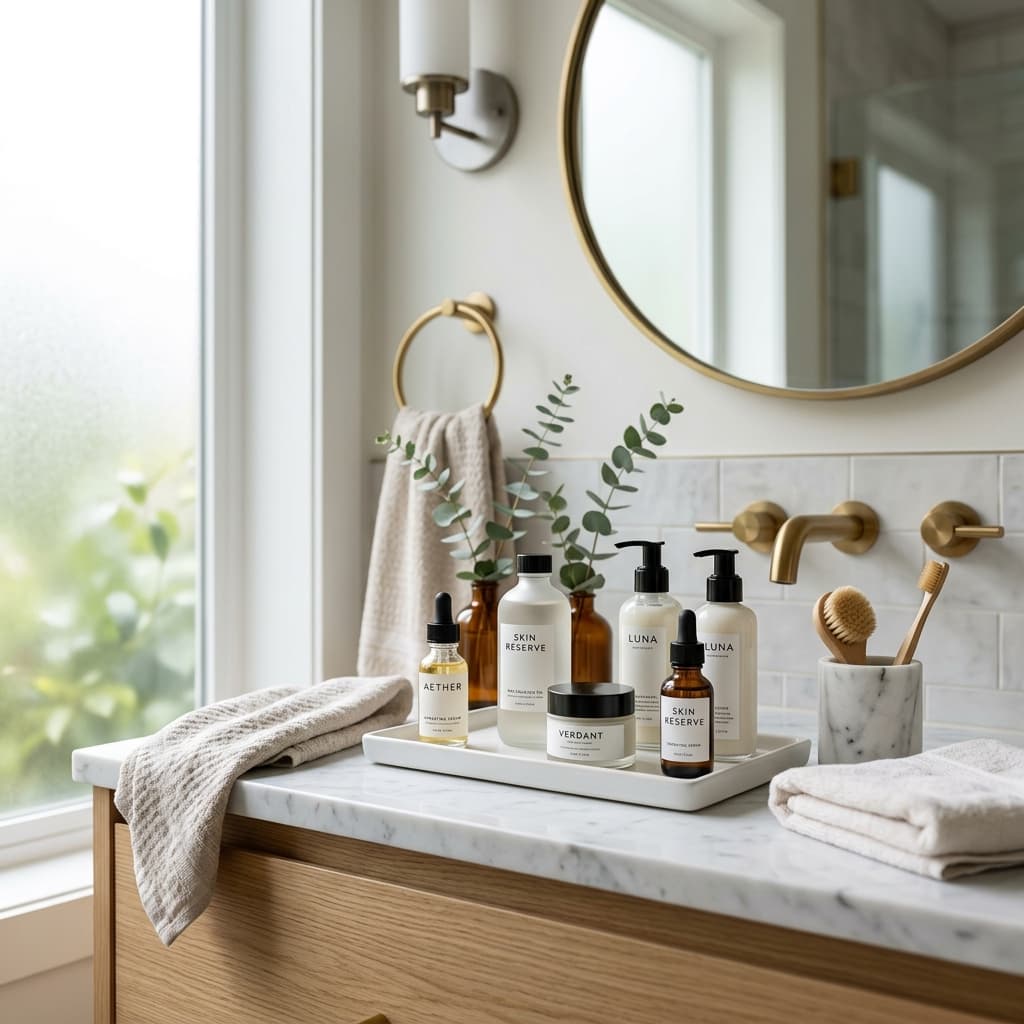
The modern skincare market is saturated with 10-step routines, viral social media trends, and conflicting marketing claims that leave most beginners overwhelmed and frustrated. In 2026, dermatological science has shifted firmly away from aggressive, multi-product consumerism and toward skin barrier preservation, chronobiological layering, and targeted active ingredients. You do not need a bathroom cabinet filled with expensive serums to achieve radiant, clear, and youthful skin; you only need a scientifically grounded morning and evening protocol.
Direct Answer for Skincare Beginners:
The fundamental rule of any effective skincare routine is Morning Protection and Evening Cellular Repair. Apply products in order of thinnest to thickest molecular weight (Cleanser ➔ Water-Based Toner/Essence ➔ Active Treatment Serum ➔ Moisturizer ➔ Broad-Spectrum Sunscreen). The three non-negotiable active ingredients backed by decades of clinical trials are Vitamin C (L-ascorbic acid) in the morning for antioxidant defense, Retinoids (or Bakuchiol) at night for collagen synthesis, and Broad-Spectrum SPF 50+ every single day.
The Physics of Layering: Molecular Weight Principles
Layering skincare products incorrectly can render expensive ingredients completely useless. If you apply a dense, lipid-heavy oil or cream before a light water-soluble serum, the serum’s active molecules cannot penetrate the lipid barrier to reach the epidermis.
Follow this systematic progression: water-based, hydrating formulations must precede oil-based, occlusive emulsions.
The Complete 2026 Daily Skincare Blueprint
| Time of Day | Routine Step | Product Type | Primary Active Ingredients | Biological Function |
|---|---|---|---|---|
| Morning (AM) | Step 1: Cleanse | Gentle Low-pH Gel Cleanser | Ceramides, Glycerin, Amino Acids | Removes overnight sebum without stripping natural lipids |
| Morning (AM) | Step 2: Protect | Antioxidant Serum | 15% L-Ascorbic Acid + Ferulic Acid | Neutralizes UV-induced free radicals and pollution |
| Morning (AM) | Step 3: Hydrate | Lightweight Hydrating Moisturizer | Hyaluronic Acid, Beta-Glucan, Squalane | Locks in transepidermal water without clogging pores |
| Morning (AM) | Step 4: Shield | Broad-Spectrum SPF 50+ | Zinc Oxide, Tinosorb S, Mexoryl 400 | Shields against UVA, UVB, and High-Energy Visible (HEV) blue light |
| Evening (PM) | Step 1: Double Cleanse | Micellar Water or Cleansing Balm | Jojoba oil, emulsifying plant esters | Dissolves water-resistant sunscreen, makeup, and urban particulate matter |
| Evening (PM) | Step 2: Repair | Cellular Renewal Treatment | 0.3% Encapsulated Retinol or Retinaldehyde | Stimulates fibroblast collagen synthesis and accelerates cell turnover |
| Evening (PM) | Step 3: Barrier Lock | Barrier Restorative Cream | 3:1:1 Ratio (Ceramides, Cholesterol, Fatty Acids) | Seals the lipid matrix to eliminate overnight transepidermal water loss |
Customizing Protocols by Skin Type
[Oily / Acne-Prone]  ➔ Incorporate 2% Salicylic Acid (BHA) & Niacinamide; use oil-free gel creams
[Dry / Dehydrated]   ➔ Focus on multi-molecular Hyaluronic Acid & Ceramide-dense lipid balms
[Combination Skin]   ➔ Apply BHA solely on T-Zone; layer richer peptide creams on cheek perimeters
[Sensitive / Rosacea] ➔ Replace harsh retinoids with plant-derived Bakuchiol & Centella Asiatica (Cica)
The Retinol Introduction Protocol: "Low and Slow"
Retinol is the gold-standard anti-aging ingredient, but introducing it too aggressively causes redness, peeling, and barrier breakdown (retinization).
- Weeks 1–2: Apply a pea-sized amount just two nights per week. Always buffer by applying a thin layer of moisturizer first.
- Weeks 3–4: Increase frequency to every other night as tolerance develops.
- Month 2 Onward: Transition to nightly application, alternating with a calming 5% Niacinamide or Centella serum.
Frequently Asked Questions (FAQ)
Can I use Vitamin C and Retinol at the same time?
Never layer them together in the same application. Vitamin C requires an acidic pH and is formulated for daytime environmental protection, whereas Retinol degrades under sunlight and works best during the nighttime cellular repair cycle. Use Vitamin C in the morning and Retinol at night.
How long does it take to see visible results from a new skincare routine?
Hydration and skin softness improve within 24 to 48 hours. However, because the natural epidermal turnover cycle takes approximately 28 to 40 days, true structural improvements in fine lines, hyperpigmentation, and acne clearance require 8 to 12 weeks of consistent daily adherence.
Level Up Your AI & Solo-Founder Strategy
Join 15,000+ founders and engineers getting our field-tested playbooks on autonomous agents, Micro-SaaS architecture, and lean financial frameworks every Thursday.

Clinical researcher and physician specializing in continuous metabolic biosensors, circadian medicine, neuroplasticity biohacking, and evidence-based longevity.