Smart Home Bio-Sensors for Better Sleep Quality
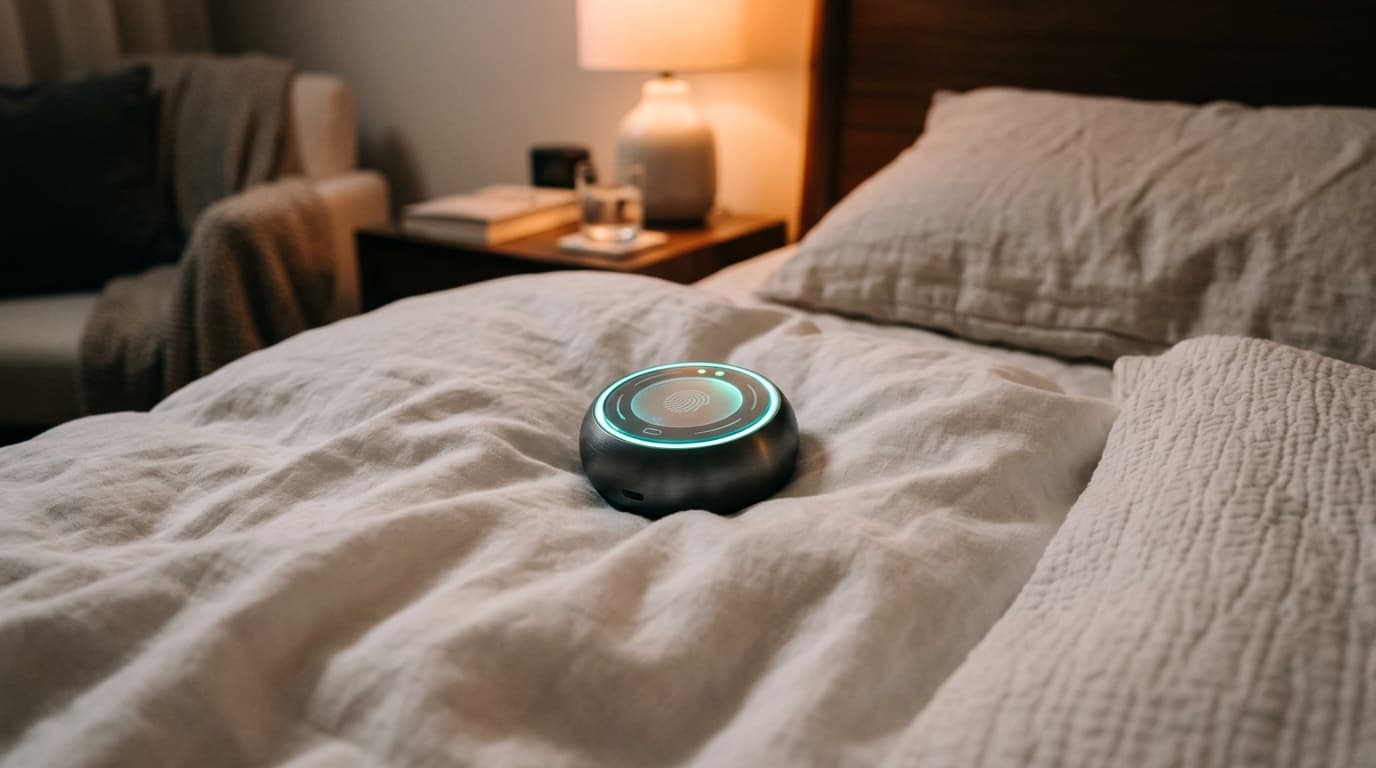
Getting a perfect night of rest is no longer a guessing game in 2027. The era of wearing bulky smartwatches to bed is officially over. Modern bedrooms are now equipped with invisible smart home bio-sensors. These advanced environmental trackers monitor your physiological state in real-time without ever touching your skin. This seamless integration of health technology into our living spaces has completely revolutionized global sleep quality.
The Evolution of Bedroom Technology
A few years ago, sleep tracking required uncomfortable wearables or specialized mattress pads. Today, smart home bio-sensors are built directly into bedside lamps and ceiling fixtures. They use advanced radar and thermal imaging to monitor your heart rate, respiration, and body temperature. The data is processed locally on an encrypted edge server in your home. Your bedroom silently adapts to your exact physiological needs throughout the night.
Dynamic Environmental Control
The true power of these sensors lies in their connection to your smart home ecosystem. When the bio-sensors detect you entering the deep REM sleep stage, the room reacts. The smart thermostat automatically lowers the ambient temperature by two degrees. The smart windows darken slightly to block out stray streetlights. An acoustic generator produces targeted white noise to cancel out a passing siren. The environment actively protects your sleep cycle.
Identifying Hidden Sleep Disruptors
Many people suffer from chronic fatigue without understanding the cause. Smart home bio-sensors excel at identifying microscopic sleep disruptors. The system might notice that your heart rate spikes every night at three in the morning. By cross-referencing environmental data, the AI realizes a subtle drop in humidity is causing you to wake up dehydrated. The system then automatically activates a silent humidifier before the disruption occurs.
The Future of Preventative Health
These passive sensors do much more than improve rest. They are the frontline of preventative healthcare in 2027. By monitoring your baseline vitals every single night, the AI can detect early signs of respiratory illness or cardiac stress. If your resting heart rate elevates abnormally for three consecutive nights, your smart home will suggest contacting a telehealth professional. Your bedroom is now your primary health guardian.
Frequently Asked Questions
What are smart home bio-sensors?
They are advanced radar and thermal tracking devices integrated into your bedroom furniture. They passively monitor your heart rate, breathing, and temperature without any physical contact.
Do I need to wear anything to bed?
No, you do not need to wear any smartwatches or chest straps. The sensors use safe radio frequencies to detect your microscopic chest movements from across the room.
Is it safe to have radar sensors in my bedroom?
Yes, it is completely safe. The technology uses extremely low-power millimeter-wave radar. The energy emitted is significantly less than a standard Wi-Fi router or cellular phone.
What about my privacy in the bedroom?
Privacy is the top priority for modern bio-sensors. They do not use standard optical cameras. The radar data is strictly processed locally on your own private home server.
Can these sensors control my air conditioning?
Yes, they connect directly to your smart home hub. If the sensors detect your body temperature rising, they will automatically instruct the thermostat to cool the room.
How much does a bio-sensor setup cost?
Basic bedside sensor pods start around one hundred dollars in 2027. More advanced systems that are built directly into premium light fixtures can cost several hundred dollars.