Circadian Rhythm Biohacking: Science-Backed Protocols for Energy and Sleep
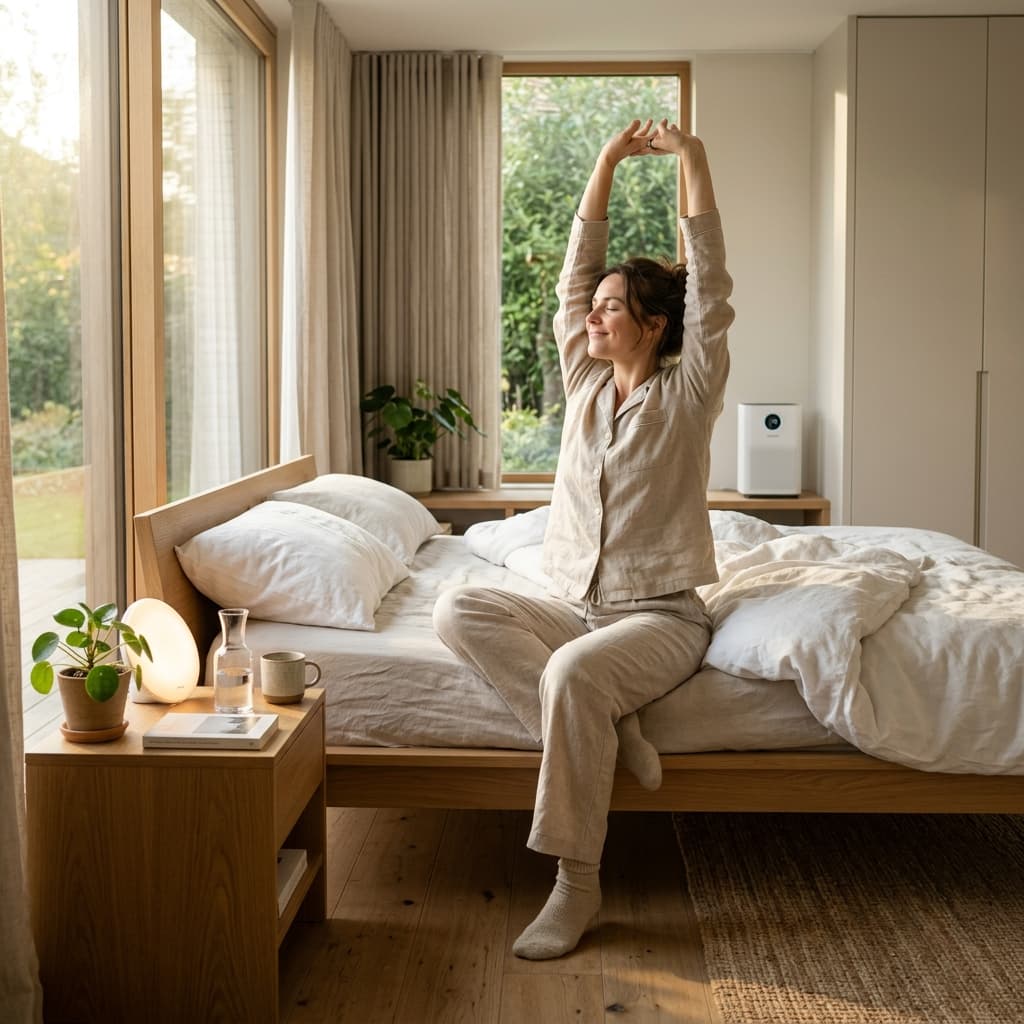
In our modern 24/7 society, constant exposure to artificial illumination, irregular eating windows, and digital screens has severed our connection to natural biological rhythms. The consequence is widespread: chronic morning lethargy, persistent afternoon slumps, and disrupted slow-wave sleep. Biohacking your circadian rhythm is not about extreme regimens; it is about calibrating your daily behavioral cues to work in harmony with your internal biological clock.
The Master Clock: Understanding the Suprachiasmatic Nucleus
Every organ and cell in the human body operates on an endogenous 24-hour cycle governed by a master pacemaker in the brain known as the suprachiasmatic nucleus (SCN). Located within the hypothalamus, the SCN synchronizes cellular processes throughout the body using hormonal signals, primarily cortisol and melatonin.
When the SCN receives coherent environmental cues—known scientifically as zeitgebers—metabolism peaks during active daylight hours, cognitive function sharpens, and cellular repair processes initiate smoothly each night.
Morning Sunlight: Setting Your Daily Cortisol and Melatonin Rhythm
The single most influential biological signal for synchronizing the circadian clock is natural morning light. Within 30 to 60 minutes of waking, exposing your eyes to outdoor sunlight triggers specialized intrinsically photosensitive retinal ganglion cells (ipRGCs).
These photopigment cells signal directly to the SCN to trigger an immediate, healthy surge of cortisol, signaling to your body that the day has begun. Crucially, this morning light pulse sets a precise biological countdown timer for the evening release of melatonin approximately 14 to 16 hours later, making it significantly easier to fall into restorative deep sleep.
Strategic Light Management and Blue Light Optimization
While morning light is vital for alertness, nighttime illumination is the primary disruptor of sleep architecture. High-intensity blue wavelengths (around 450 to 480 nanometers) emitted by digital screens and overhead LED lighting trick the brain into believing it is still daytime, suppressing melatonin synthesis.
Effective light hygiene protocols include dimming ambient lighting two hours before bed, shifting screens into warmer color temperatures, and switching overhead fixtures to floor-level red or amber lighting. These cues signal the nervous system to transition gracefully into parasympathetic recovery.
Time-Restricted Feeding and Metabolic Health
Light is the primary zeitgeber for the brain, but food intake acts as the principal circadian synchronizer for peripheral organs such as the liver, pancreas, and gastrointestinal tract. Eating meals at erratic hours or consuming heavy calories late at night desynchronizes peripheral clocks from the central pacemaker.
Adopting an 8 to 10-hour time-restricted feeding window aligned with daylight hours enhances insulin sensitivity, optimizes digestive enzyme production, and supports cellular autophagy. Completing your final meal at least three hours prior to bedtime ensures your digestive system can rest, allowing body temperature to drop naturally for restorative slow-wave sleep.
Frequently Asked Questions
How early in the morning should I get sunlight exposure?
Aim for 10 to 20 minutes of direct outdoor sunlight within the first hour of waking. On overcast days, extend outdoor exposure to 30 minutes to capture sufficient photon density.
Do blue-blocking glasses actually work for improving sleep?
Yes. Clinical trials confirm that amber-tinted blue-blocking glasses worn 2 hours before bed effectively prevent melatonin suppression caused by ambient household and screen lighting.
Can circadian rhythm biohacking cure chronic afternoon fatigue?
Synchronizing morning light exposure, stabilizing meal intervals, and curbing late-day caffeine consumption prevents the common blood sugar swings and cortisol crashes that cause afternoon brain fog.