Circadian Chronobiology: Precision Protocols for Peak Metabolic Flexibility and Cellular Vitality
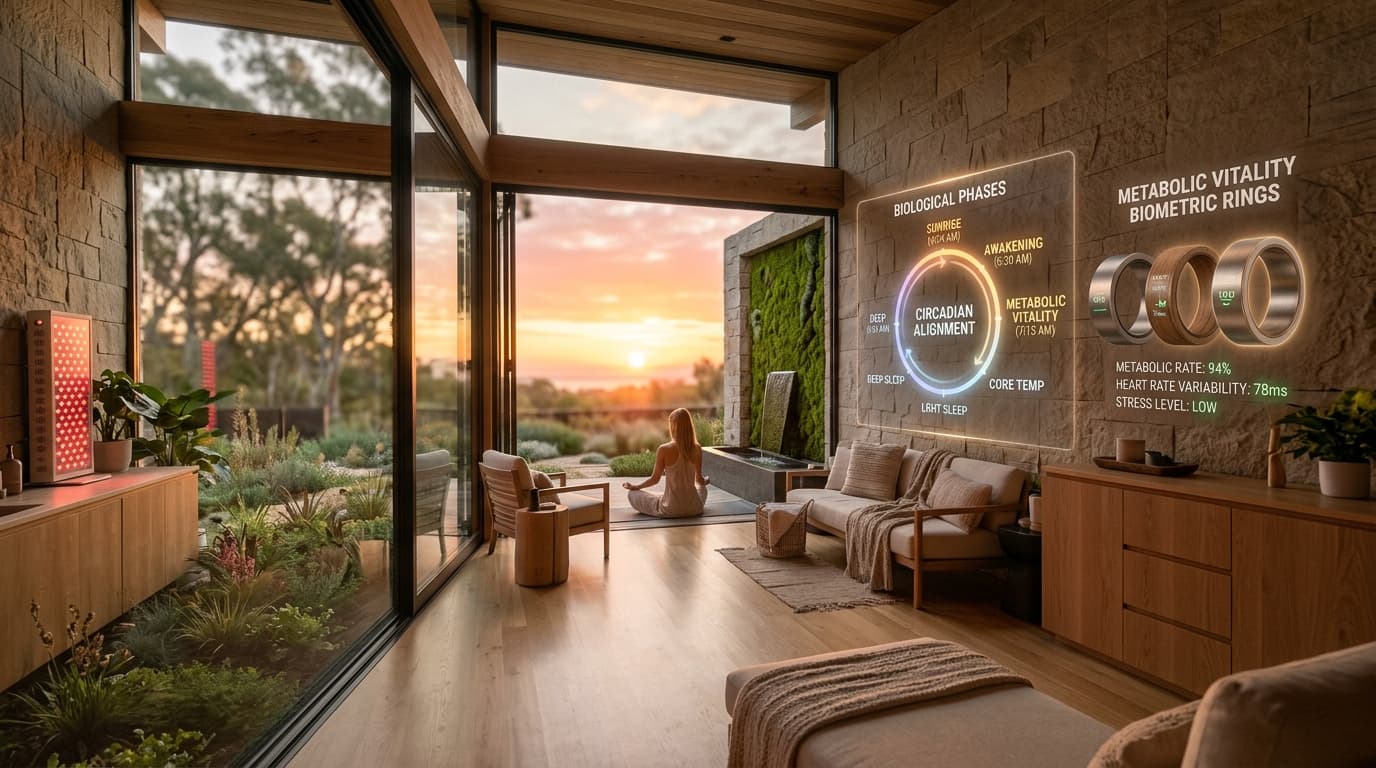
Modern high-performance biohacking has moved far beyond rudimentary sleep trackers and generic caffeine timing. At the cutting edge of preventive longevity and executive wellness lies Circadian Chronobiology—the precise alignment of behavioral, nutritional, and photic inputs with our body's autonomous biological oscillators.
Every cell in your body contains autonomous clock genes (CLOCK, BMAL1, PER, and CRY) oscillating on an evolutionary 24-hour cycle. When our external behaviors misalign with these internal cellular rhythms, the consequence is metabolic inflexibility, persistent afternoon brain fog, impaired glycemic control, and accelerated biological aging. By entraining our central and peripheral pacemakers, we can engineer peak physical stamina and unshakeable cognitive clarity.
The Dual-Clock Architecture: SCN vs. Peripheral Clocks
Optimal circadian synchronization requires understanding the distinct roles of your primary and secondary internal clocks:
1. The Central Master Clock (Suprachiasmatic Nucleus - SCN)
Located in the hypothalamus, the SCN is predominantly entrained by light photons received through intrinsically photosensitive retinal ganglion cells (ipRGCs). The SCN orchestrates systemic endocrine release—such as the cortisol awakening response (CAR) at dawn and the suppression of melatonin until evening darkness.
2. Peripheral Organ Clocks (Liver, Adipose, and Muscle Tissue)
Unlike the SCN, peripheral clocks in the liver and digestive tract respond primarily to nutrient ingestion, not ambient light. If you consume a high-carbohydrate meal late at night when the SCN is preparing for cellular repair, your liver's metabolic machinery is forced into glycogen synthesis while insulin sensitivity is at its daily trough, leading to systemic inflammation and visceral lipid storage.
Evidence-Based Chronobiology Protocols
To establish metabolic flexibility—the metabolic capacity to switch seamlessly between burning carbohydrates and oxidizing fatty acids—implement the following four evidence-based pillars:
1. Photonic Morning Priming
- Immediate Solar Exposure: Within 30 minutes of waking, step outdoors for 10–15 minutes of direct sunlight (10,000 to 50,000+ lux). This triggers the immediate suppression of nocturnal adenosine, anchors the cortisol curve, and starts a precision 14-hour timer for evening melatonin synthesis.
- Red/Near-Infrared (NIR) Photobiomodulation: 660nm and 850nm wavelengths stimulate Cytochrome c Oxidase in the mitochondrial electron transport chain, boosting cellular ATP synthesis and priming skin cells against UV stress.
2. Time-Restricted Chrononutrition (The 10-Hour Metabolic Window)
- Early-Shifted Feeding Window: Restrict caloric intake to a consistent 8-to-10-hour daytime window (e.g., 8:30 AM to 6:30 PM). Human insulin sensitivity, thermic effect of food (TEF), and pancreatic beta-cell responsiveness peak in the biological morning and decline precipitously after sunset.
- Pre-Sleep Fasting Buffer: Conclude your final caloric intake at least 3 to 4 hours before bedtime to allow liver glycogen stabilization and prevent nocturnal core body temperature elevation.
3. Metabolic Switching via Zone-2 Aerobic Priming
- Engaging in 30–45 minutes of low-intensity, steady-state Zone-2 cardio in a fasted or low-glycemic state forces muscle mitochondria to utilize lipid oxidation rather than circulating glucose. Over 6 to 8 weeks, this dramatically increases mitochondrial biogenesis and resting metabolic rate.
4. Thermal Entrainment and Sleep Architecture
- Evening Core Body Cooling: Falling asleep requires a 1°C drop in core body temperature. A warm bath or sauna 90 minutes before sleep induces vasodilation in hands and feet, rapidly cooling the internal core upon exiting.
- Bedroom Climate Optimization: Maintain ambient sleeping temperatures between 18°C–20°C (64°F–68°F) to minimize micro-arousals and maximize deep slow-wave sleep (SWS).
Summary: Chronobiological Daily Schedule
| Time of Day | Physiological Target | Action Protocol |
|---|---|---|
| 06:30 – 07:15 | Cortisol Spike & Adenosine Clearance | Outdoor sunlight exposure (10–15 min), mineral hydration, light stretching |
| 08:30 – 12:00 | Peak Cognitive & Prefrontal Executive Function | Complex analytical deep work, high-protein breakfast, optional caffeine window |
| 14:00 – 17:00 | Peak Physical Strength & Reaction Time | Resistance training or Zone-2 cardio, balanced macro meal |
| 18:30 – 19:00 | Metabolic Gate Closure | Final light meal, zero caloric intake afterwards |
| 21:00 – 22:30 | Melatonin Elevation & Core Cooling | Warm shower, warm amber/dim lighting, cool bedroom environment (19°C) |
Frequently Asked Questions
Does drinking black coffee outside the feeding window break the peripheral liver clock?
While black coffee contains near-zero macronutrients, caffeine stimulates hepatic CYP1A2 metabolic enzymes and adrenal receptors, subtly activating liver clocks. For strict circadian reset, delay coffee consumption until at least 60–90 minutes post-waking and align it within your eating window.
What is the most reliable biometric metric to track circadian entrainment?
The Core Body Temperature Minimum (CBTmin)—which typically occurs approximately two hours before your natural waking time—paired with nocturnal Heart Rate Variability (HRV) and Resting Heart Rate (RHR) nadir timing provide the most accurate readouts of deep biological synchronization.