The New Standard: Why Sustainable Business Models Win
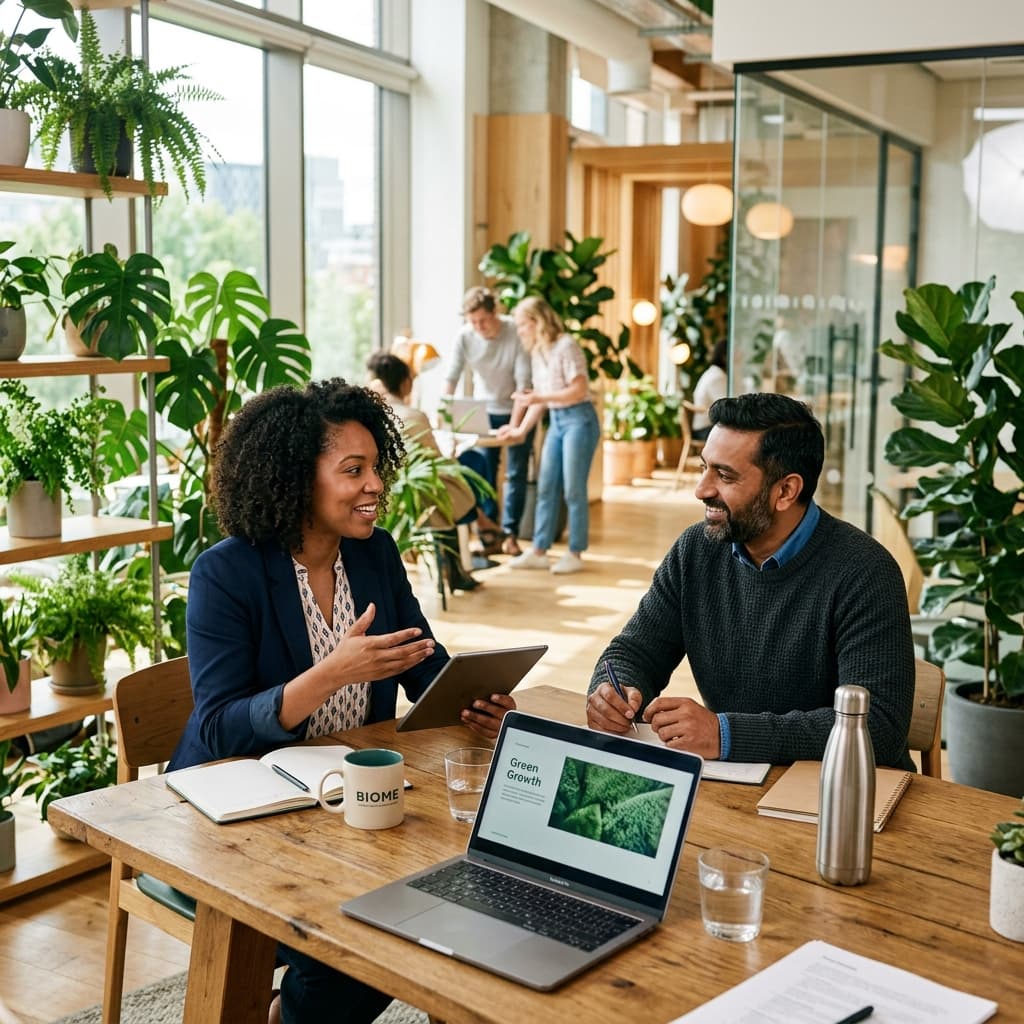
In the corporate landscape of 2026, sustainability is no longer an optional add-on, a PR stunt, or a mere marketing buzzword; it is a fundamental pillar of a successful business strategy. Consumers, investors, and regulators are all demanding profound ecological responsibility, and businesses that fail to adapt are rapidly becoming obsolete.
The Shift from Linear to Circular
The traditional "take-make-dispose" linear economy is highly inefficient and environmentally disastrous. The new standard is the Circular Economy.
- Design for Durability: Products are designed from day one to last longer, be easily repaired, and ultimately disassembled for recycling.
- Product-as-a-Service (PaaS): Instead of selling a physical product (like a lightbulb or a car), companies sell the service that product provides (lighting or mobility). The company retains ownership of the hardware, incentivizing them to make it durable and recyclable.
The Economic Benefits of Sustainability
Going green is often perceived as an added expense, but data proves otherwise.
- Cost Reduction: Increasing energy efficiency and reducing waste directly impacts the bottom line. Less waste means fewer raw materials purchased and less money spent on disposal.
- Attracting Top Talent: Millennials and Gen Z now make up the vast majority of the workforce. They overwhelmingly prefer to work for purpose-driven companies that align with their values.
- Access to Capital: ESG (Environmental, Social, and Governance) investing has exploded. Startups with sustainable models have a significantly easier time securing funding and favorable loan rates.
Avoiding Greenwashing
Consumers are hyper-aware of "greenwashing"—when a company spends more time and money marketing themselves as environmentally friendly than actually minimizing their environmental impact.
"Authenticity is the currency of the modern market. If your sustainability efforts are just a thin veneer, the internet will find out, and the brand damage will be irreversible."
Frequently Asked Questions (FAQ)
Q: As a small startup, how can I be sustainable without a huge budget? A: Start small. Eliminate single-use plastics in your office, choose a green web hosting provider, and source materials from local suppliers to reduce shipping emissions.
Q: Does sustainability really affect consumer purchasing decisions? A: Yes. In 2026, premium pricing for genuinely sustainable goods is largely accepted by consumers, provided the quality matches the ethical claims.