The Subscription Economy 2.0: Moving Beyond SaaS into Hardware and Lifestyle Services
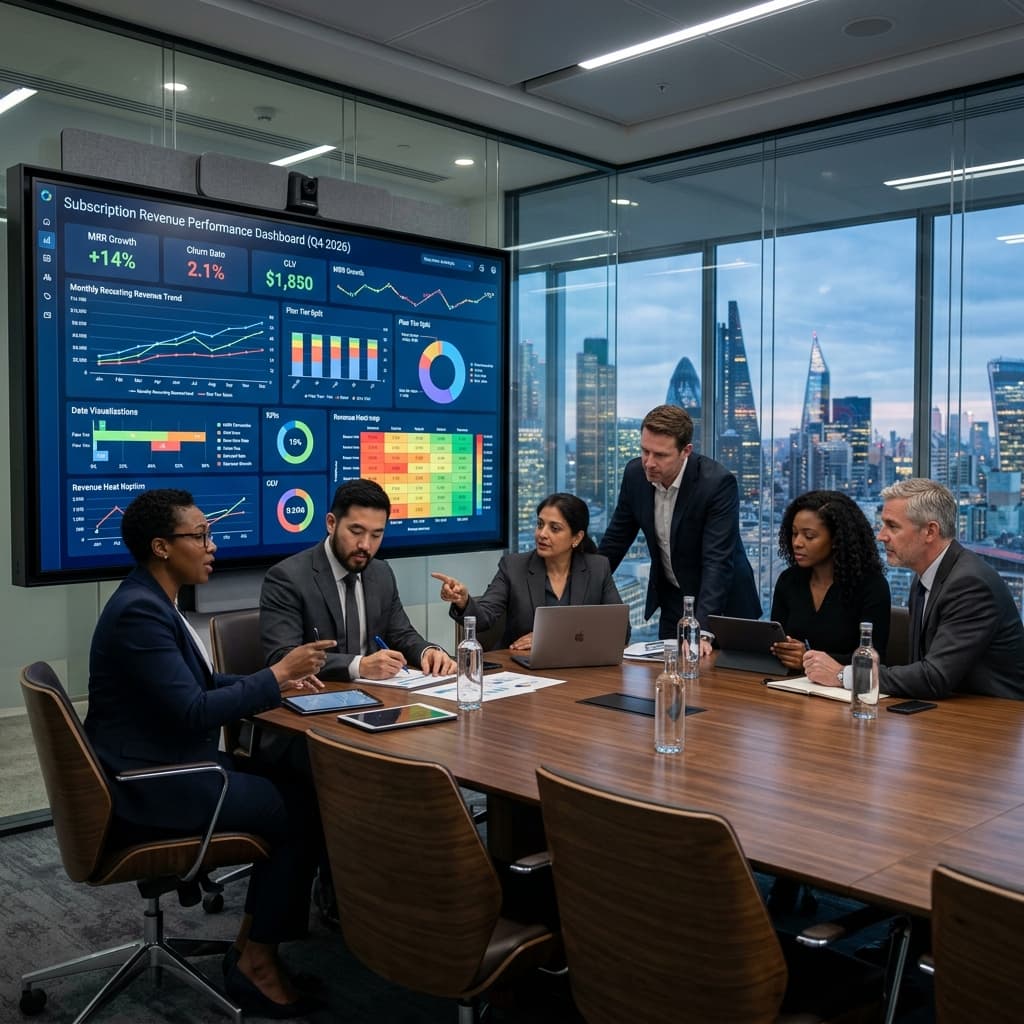
A decade ago, the subscription model was largely confined to digital software (SaaS) and streaming entertainment. Consumers happily paid monthly dues for access to Netflix, Spotify, or Adobe Creative Cloud. In 2026, the psychological concept of "ownership" has undergone a profound transformation. We have officially entered the Subscription Economy 2.0 (Everything-as-a-Service / XaaS), where physical automobiles, high-end consumer hardware, ergonomic office furniture, and luxury apparel are leased, maintained, and continuously upgraded as ongoing lifestyle services.
Direct Answer for Business Strategists:
Subscription Economy 2.0 represents the transition from one-time transactional hardware sales to continuous Hardware-as-a-Service (HaaS) relationships. By retaining physical asset ownership on the balance sheet and charging monthly utility or membership fees, businesses generate 3x to 5x higher Customer Lifetime Value (LTV), achieve predictable recurring revenue, and structurally incentivize circular product durability over planned obsolescence.
The Post-Ownership Economy: Why Access Wins Over Ownership
Purchasing a depreciating physical asset outright—whether an electric vehicle, a high-end workstation, or an industrial robotic arm—carries substantial financial friction: heavy upfront capital expenditure, ongoing maintenance liabilities, insurance headaches, and rapid technological obsolescence.
Subscription Economy 2.0 decouples the utility of an asset from the burden of its ownership.
Transactional Ownership vs. Subscription Economy 2.0
| Business Dimension | Traditional One-Time Sale (Ownership) | Subscription Economy 2.0 (HaaS / XaaS) | Strategic Advantage |
|---|---|---|---|
| Upfront Customer Friction | High capital barrier ($2,000–$50,000 upfront) | Low monthly entry threshold ($50–$300/mo) | 4x higher top-of-funnel customer acquisition |
| Maintenance & Depreciation | 100% borne by customer; high frustration | Fully managed, serviced, and insured by provider | Hassle-free customer experience & zero maintenance anxiety |
| Manufacturing Incentive | Planned obsolescence (forced re-purchase every 3 years) | Engineering for extreme durability & modular repair | Lower refurbishment costs & maximized asset lifespan |
| Revenue Predictability | Volatile, lumpy transactional cash flows | Stable Annual Recurring Revenue (ARR) | Premium Wall Street & private equity valuation multiples |
| Customer Relationship | Ends at the point of sale; zero continuous telemetry | Ongoing engagement, continuous OTA feature updates | Deep cross-sell opportunities & near-zero churn |
3 High-Growth Physical Subscription Sectors in 2026
[Dynamic Mobility Tiers]   ➔ Shift seamlessly between city compacts, weekend SUVs, and electric bikes
[Nomadic Hardware Workstations] ➔ Pre-configured ergonomic desks, monitors, and laptops deployed in any city
[Circular Luxury Wardrobes]➔ Curated seasonal clothing rotations eliminating textile waste
1. Hardware-as-a-Service (HaaS) for Enterprise Computing
Rather than spending millions purchasing enterprise workstations that become obsolete in 36 months, technology companies subscribe to enterprise hardware tiers. Providers ship pre-configured, encrypted laptops and monitors to remote employees globally, automatically replacing components when performance telemetry detects degradation.
2. Multi-Tier Automotive Mobility Subscriptions
Automakers are phasing out multi-year rigid leases. Consumers subscribe to a unified mobility tier: driving a compact electric vehicle for weekday city commutes, swapping into an all-wheel-drive SUV for a weekend ski trip, and accessing autonomous robotaxi rides via the same monthly membership.
3. Modular Circular Consumer Electronics
Smartphones, cameras, and audio gear are now designed around hot-swappable modular components. When a camera sensor or battery reaches end-of-life, the subscriber receives an upgrade module in the mail, snapping it into place while returning the spent component for closed-loop recycling.
Mastering the Unit Economics: Churn Mitigation via AI Telemetry
In Subscription Economy 2.0, the most critical operational metric is not initial customer acquisition, but Net Revenue Retention (NRR) and Churn Prevention. Modern subscription operators deploy predictive AI telemetry:
- Predictive Maintenance Alerts: Connected IoT hardware monitors internal battery degradation or motor wear, automatically scheduling a replacement before the user ever experiences a hardware failure.
- Algorithmic Personalization: If an audio subscriber hasn't utilized their noise-canceling headphones for two weeks, automated recommendations highlight spatial audio playlists or offer complimentary accessory credits to re-engage the customer.
Frequently Asked Questions (FAQ)
Why are consumers increasingly preferring physical subscriptions over ownership?
Consumers value financial liquidity and convenience. Subscriptions eliminate repair costs, provide automatic upgrades to the latest technology, and allow individuals to live flexible, nomadic lives without moving heavy physical furniture or vehicles across borders.
How do hardware startups finance the upfront inventory costs for subscription models?
Startups utilize specialized asset-backed debt facilities and venture debt funds that lend against contracted Annual Recurring Revenue (ARR), allowing the company to manufacture physical goods without diluting founder equity.
Level Up Your AI & Solo-Founder Strategy
Join 15,000+ founders and engineers getting our field-tested playbooks on autonomous agents, Micro-SaaS architecture, and lean financial frameworks every Thursday.

Private equity analyst, venture strategist, and quantitative economist specializing in automated passive income models, digital real estate, and B2B SaaS unit economics.
Related Articles
AI Marketing Budget Plan: How to Cut Advertising Costs with AI

High-Converting E-commerce Strategies: Unit Economics, CAC Reduction, and Retention Playbooks (2026)

The Solo AI Startup Blueprint 2026: Build and Monetize from Zero to $10k MRR