Hyper-Personalization in E-commerce: Dynamic AI Storefronts and Customer Retention
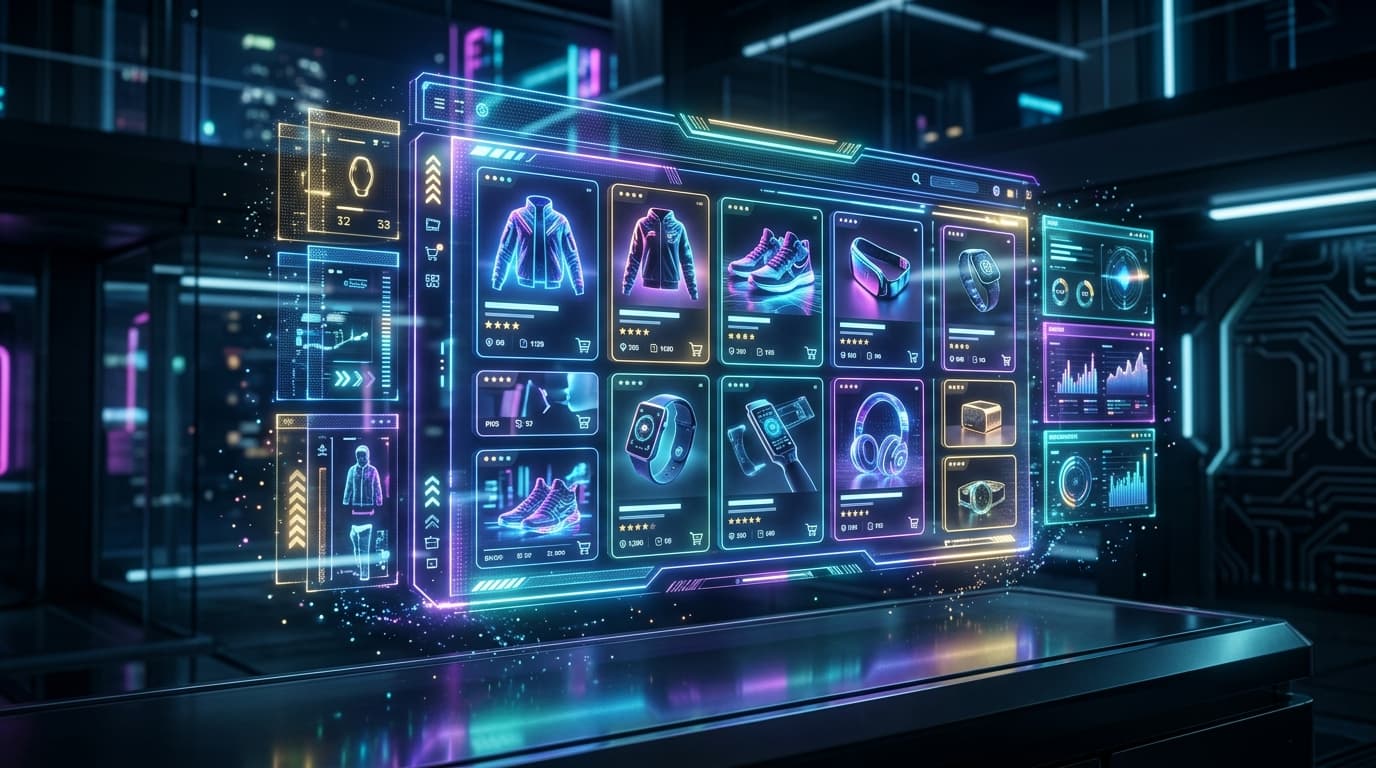
Quick Answer: Hyper-personalization in e-commerce is the real-time algorithmic customization of the entire digital shopping experience—including modular page layouts, visual hero assets, product recommendations, dynamic pricing incentives, and conversational copy—tailored specifically to an individual shopper's live contextual telemetry and historical zero-party data. Unlike primitive demographic segmentation, AI-driven hyper-personalization elevates e-commerce conversion rates by 25% to 45%, cuts cart abandonment by up to 38%, and increases customer lifetime value (LTV) through predictive intent anticipation.
For the first three decades of digital retail, e-commerce websites operated essentially like digital mail-order catalogs: a static, universal homepage, rigid top-level navigation categories, generic promotional banner carousels, and primitive "customers who bought this also bought that" collaborative filtering widgets. Whether a visitor was a 22-year-old student browsing on a budget at midnight from a mobile phone or a 55-year-old high-net-worth executive shopping from a corporate desktop during work hours, both encountered the exact same digital storefront.
Today, that one-size-fits-all model represents commercial suicide. Modern consumers—conditioned by the hyper-fluid, personalized discovery algorithms of TikTok, Spotify, and Netflix—demand instant, contextual relevance the moment a web page renders.
In response, leading digital merchants are deploying AI-driven Hyper-Personalization engines. Modern e-commerce storefronts are no longer static monolithic websites; they are dynamic, modular canvases that reassemble their layout, color palettes, product hierarchies, and pricing structures within milliseconds to align with each individual shopper’s instantaneous psychological state and purchasing intent.
The Demise of Traditional Demographic Segmentation
Traditional retail segmentation divided customer databases into broad, blunt demographic buckets: age, gender, geographic postal code, and income tier. However, modern consumer behavior has thoroughly shattered these demographic assumptions:
- Two Demographically Identical Shoppers Behave Differently: Two 35-year-old male software engineers living in the same neighborhood earning identical salaries may possess completely divergent purchasing motivations: one prioritizes ultra-durable outdoor technical apparel and buys once a year, while the other collects high-end streetwear and purchases weekly.
- Context Changes Intent Hour-by-Hour: The same individual shopping for a quick office lunch gift on a Monday morning operates under high cognitive urgency, seeking fast checkout and minimal friction. That identical individual shopping for home audio equipment on a relaxed Saturday evening desires deep technical specifications, immersive video demonstrations, and peer reviews.
Traditional Demographic Segmentation (Static & Inaccurate):
[User Enters Site] ──► [Checks Demographic: "Male, 30-40"] ──► [Displays Generic Men's Category Page]

Algorithmic Hyper-Personalization (Dynamic & Real-Time):
[User Enters Site] ──► [Telemetry: Rainy Local Weather, High Scroll Velocity, Past Brand Affinity, 9:00 PM Mobile Session]
                                               │
                                               ▼
         [Reassembles Storefront: Waterproof Outerwear Highlighted, 1-Click Apple Pay Promoted, Conversational Styling Bot Activated]
Strategic Comparison Matrix: Traditional Segmentation vs. AI Hyper-Personalization
The following matrix contrasts conventional retail marketing tactics against modern algorithmic hyper-personalization architectures:
| Operational Dimension | Conventional Demographic Segmentation | Algorithmic AI Hyper-Personalization |
|---|---|---|
| Data Granularity | Broad cohort buckets (e.g., "Women aged 25–34") | Individual shopper behavioral graph (1-to-1 unique identity) |
| Adaptation Speed | Weekly or monthly batch campaign updates | Sub-second real-time dynamic rendering (Under 50ms) |
| Storefront Architecture | Monolithic, static templates across all users | Headless, modular component reassembly per session |
| Behavioral Telemetry | Historical past purchase records only | Micro-behaviors: mouse dwell time, scroll velocity, hesitation |
| Pricing Strategy | Store-wide static sales (e.g., "20% off all shoes") | Dynamic algorithmic incentives & personalized loyalty tiering |
| Average Conversion Lift | Baseline (1.5% to 2.5% industry average) | 3.8% to 6.2% (150% to 250% relative lift) |
| Customer Retention (Repeat Rate) | Low; requires constant paid re-targeting ad spend | High; seamless tailored relevance builds deep brand loyalty |
| Privacy Compliance Framework | Vulnerable; relies heavily on third-party tracking cookies | Resilient; powered by first-party telemetry & zero-party surveys |
The 4 Foundational Pillars of Modern Hyper-Personalized Commerce
To achieve enterprise-grade personalization, high-growth e-commerce brands architect their systems around four interconnected technological engines:
1. Headless Dynamic Storefront Recomposition
In modern headless architectures (utilizing Next.js, headless Shopify, and Edge CDN rendering), the front-end layout is completely decoupled from the back-end product catalog.
- The layout is composed of modular UI blocks: hero banners, grid galleries, reviews, and interactive sizing widgets.
- The moment a user's session token is validated, an edge-AI orchestrator queries the personalization graph and returns a custom JSON blueprint instructing the browser which exact components to render.
- If a customer consistently purchases minimalist neutral apparel, the entire visual branding of the website dynamically shifts away from loud neon graphics toward muted, elegant earth tones.
2. Predictive Intent Telemetry & Micro-Behavioral Tracking
Before a customer clicks a single product, their physical micro-behaviors reveal their underlying cognitive intent:
- Mouse Hesitation and Hover Dwell: Pausing a cursor over an ingredient list or shipping disclosure signals specific hesitations regarding allergies, materials, or delivery timelines. The AI immediately responds by elevating transparent guarantees or social proof testimonials into their field of view.
- Scroll Velocity Telemetry: A user aggressively skimming down a product page is searching for specific dimensions or return policies; the interface dynamically highlights technical bullet points rather than marketing lifestyle copy.
3. Algorithmic Pricing and Personalized Incentive Tiering
Static discounting destroys gross margins by giving price cuts to high-intent shoppers who would have gladly paid full price.
- Predictive Price Sensitivity: Machine learning models evaluate whether a shopper needs an incentive to cross the purchase threshold.
- If a high-intent VIP customer is browsing, they are offered early access to exclusive limited-edition merchandise rather than a margin-eroding discount.
- If an unfamiliar visitor hesitates over an abandoned cart with a high bounce probability, the system dynamically delivers a personalized, time-sensitive incentive (such as free expedited shipping or a tailored bundle offer) designed to convert that specific session.
4. Zero-Party Data Capture via Conversational Stylist Agents
As third-party tracking cookies are deprecated across global web browsers, winning brands collect Zero-Party Data—information that consumers intentionally and proactively share with the brand in exchange for genuine value.
- Interactive styling quizzes, skin diagnostic routines, and conversational AI shopping assistants ask shoppers about their specific pain points, preferences, and aesthetic goals.
- This explicit data is mapped directly into the user’s master profile, eliminating guesswork and driving astronomical email and SMS recommendation engagement rates.
5-Phase Implementation Blueprint for Retail Leaders
For e-commerce organizations seeking to scale beyond static storefronts, follow this verified enterprise deployment playbook:
Phase 1: Unified Customer Data Integration (Weeks 1-4)
  └── Connect CRM, point-of-sale (POS), email, and web analytics into a centralized Customer Data Platform (CDP).

Phase 2: Micro-Behavioral Telemetry (Weeks 5-8)
  └── Instrument client-side telemetry to capture real-time clickstream, scroll velocity, and category affinity.

Phase 3: Interactive Zero-Party Capture (Weeks 9-12)
  └── Deploy diagnostic quizzes and conversational shopping concierges to collect explicit user preferences.

Phase 4: Dynamic Component Personalization (Weeks 13-18)
  └── Implement modular headless UI components that reassemble hero banners and grids based on session intent.

Phase 5: Automated Dynamic Incentive Testing (Ongoing)
  └── Deploy reinforcement learning models to optimize margin-preserving personalized discounts and bundle offers.
Frequently Asked Questions (FAQ)
Is algorithmic dynamic pricing unfair or discriminatory to consumers?
Ethical dynamic pricing in e-commerce does not inflate prices arbitrarily based on personal identity or location (which can violate consumer protection regulations). Instead, it focuses on rewarding customer loyalty and optimizing promotional incentives—such as offering permanent loyalty perks to recurring buyers or providing personalized bundle discounts that lower prices for price-sensitive segments without harming core brand integrity.
How does hyper-personalization reduce shopping cart abandonment?
Cart abandonment frequently occurs due to unexpected shipping costs, sizing uncertainty, or lack of payment flexibility. Hyper-personalization engines detect cart hesitation in real time, automatically displaying preferred local payment options (e.g., Apple Pay, Klarna, or Shop Pay), clarifying return policies, and providing accurate delivery estimates before the customer clicks away.
What is the difference between First-Party and Zero-Party data?
First-Party Data is passive behavioral information a company observes through user interactions on its own digital properties (such as pages visited, items added to carts, and session durations). Zero-Party Data, by contrast, is information a customer intentionally and proactively shares with the brand—such as quiz answers, personal dietary restrictions, fit preferences, and specific aesthetic tastes.
Can small Shopify or WooCommerce stores implement hyper-personalization?
Yes. Modern SaaS personalization platforms (including Nosto, Rebuy, and Klaviyo) offer plug-and-play machine learning integrations that bring enterprise-grade dynamic recommendations, personalized upsells, and contextual pop-ups to small and medium-sized merchants without requiring in-house software engineering teams.
Level Up Your AI & Solo-Founder Strategy
Join 15,000+ founders and engineers getting our field-tested playbooks on autonomous agents, Micro-SaaS architecture, and lean financial frameworks every Thursday.

Private equity analyst, venture strategist, and quantitative economist specializing in automated passive income models, digital real estate, and B2B SaaS unit economics.